


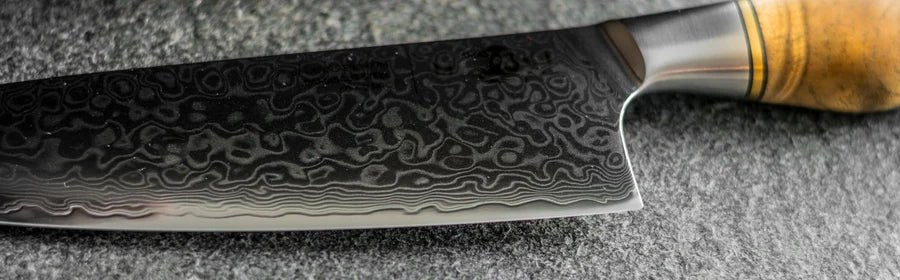
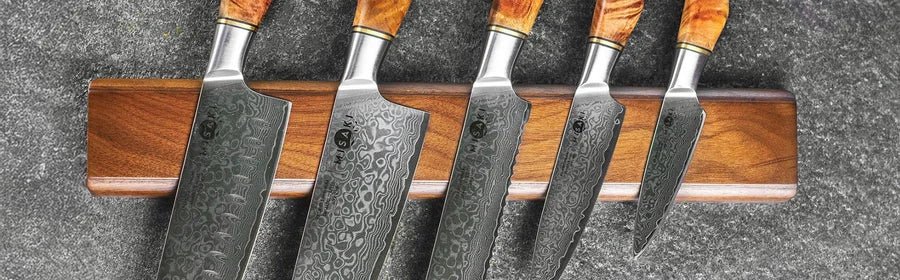
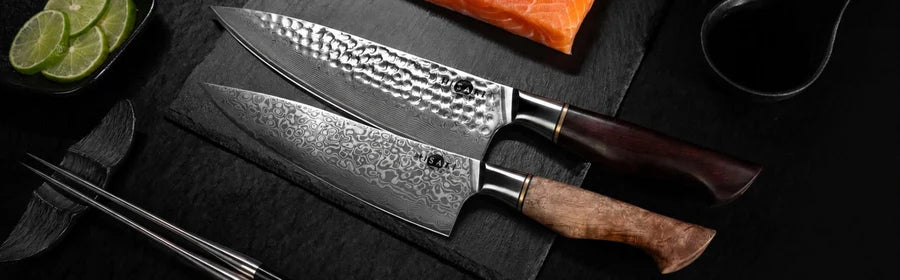
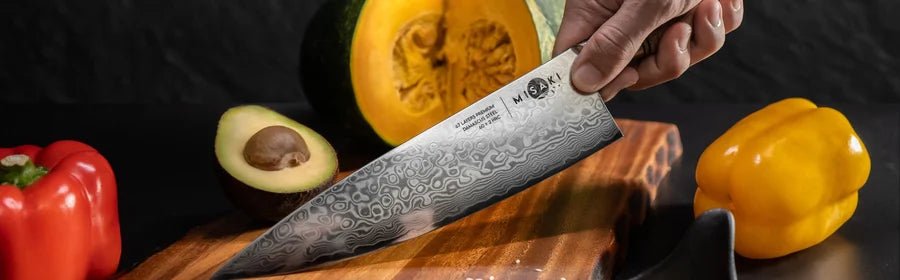
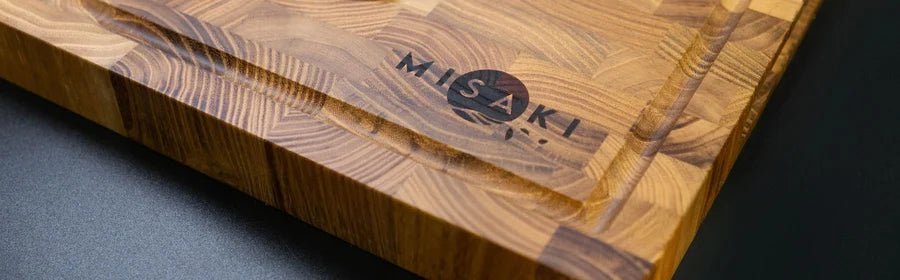
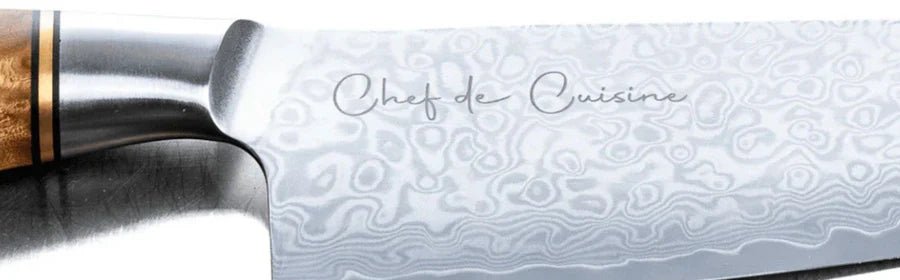

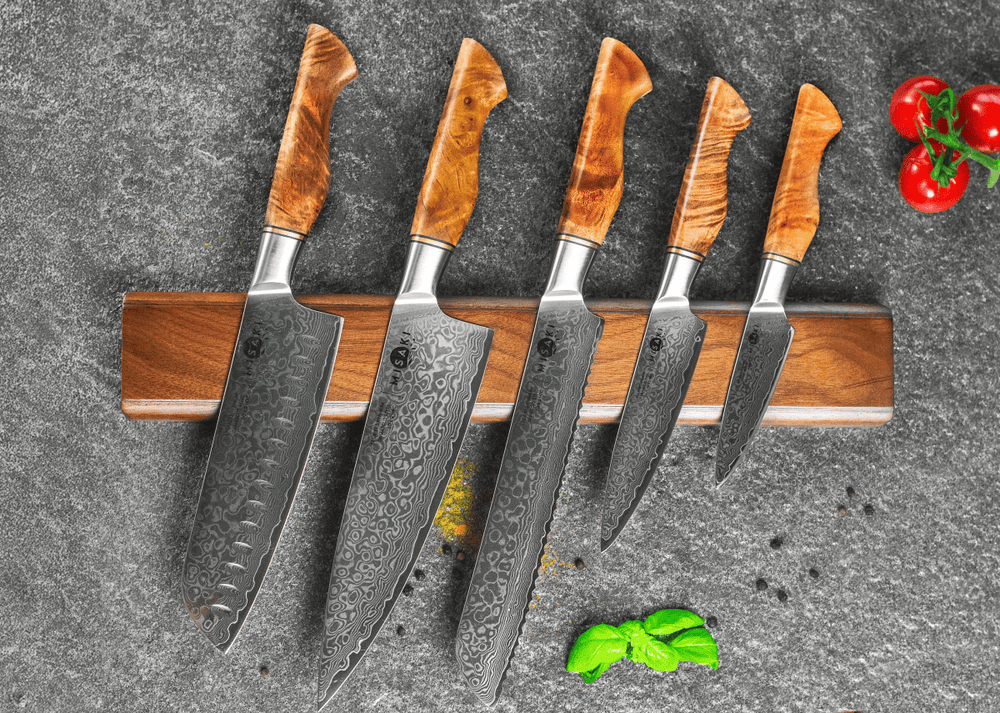


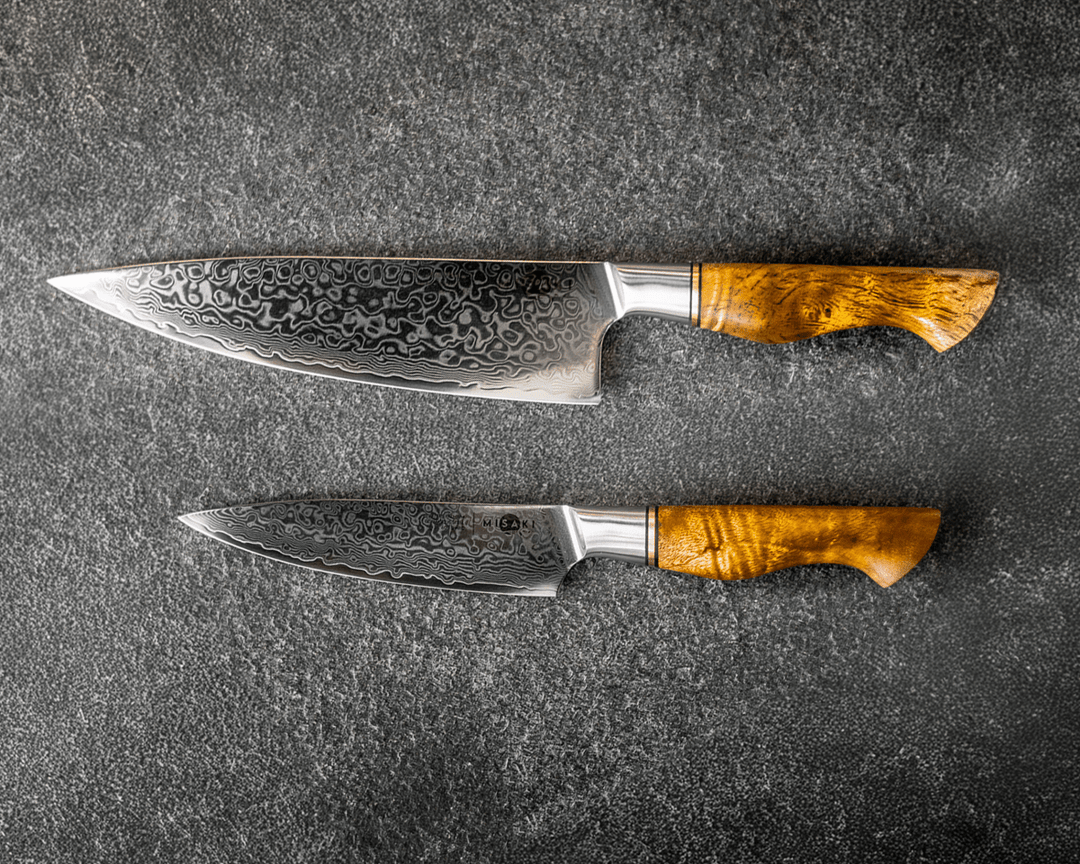


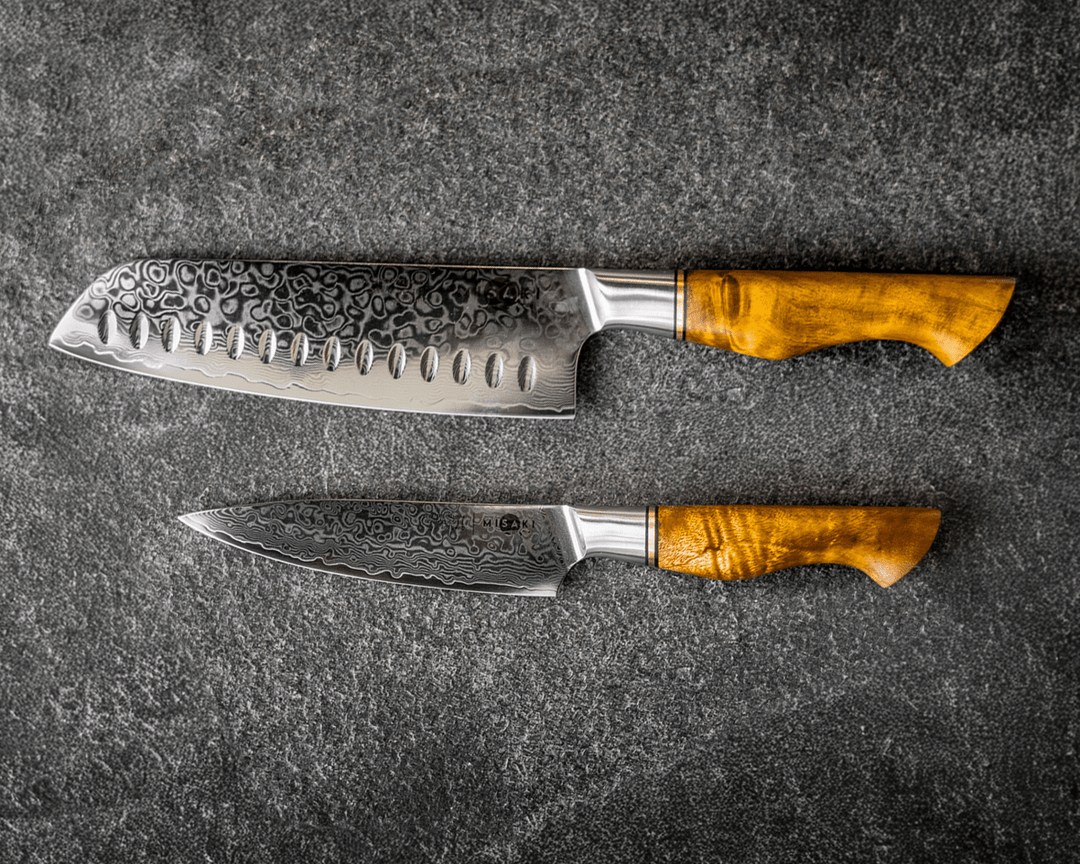


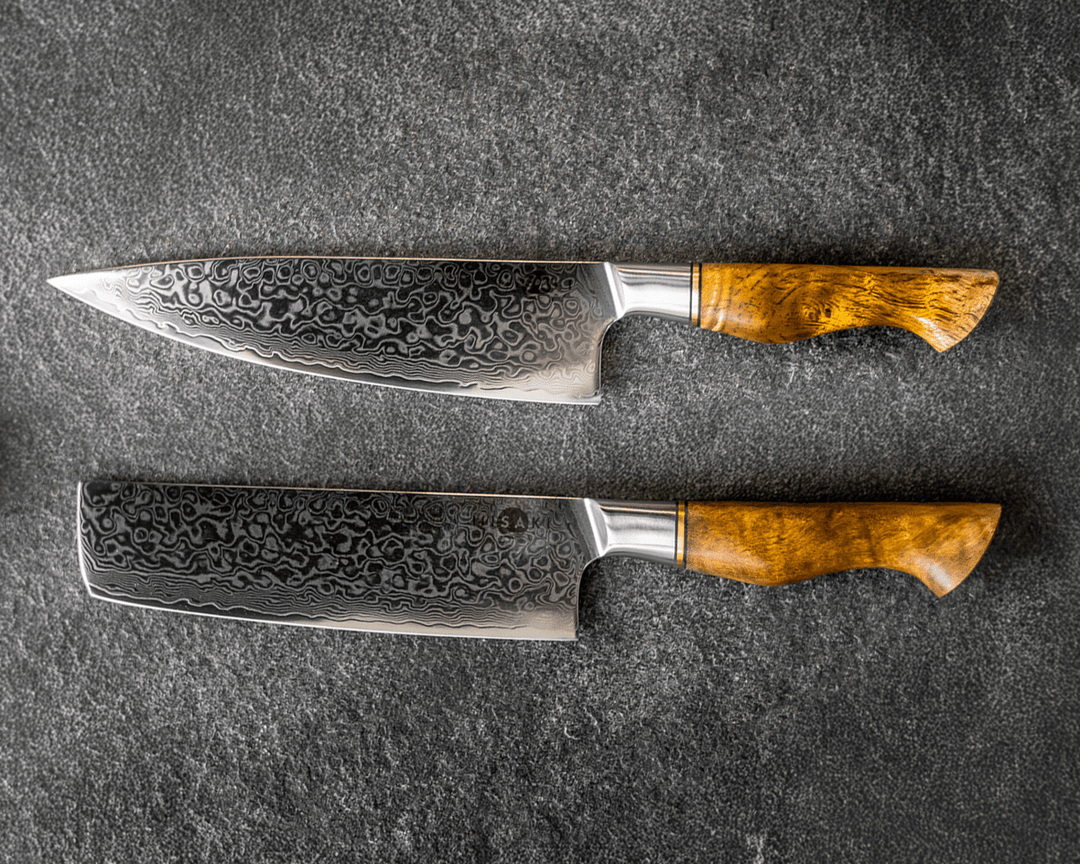
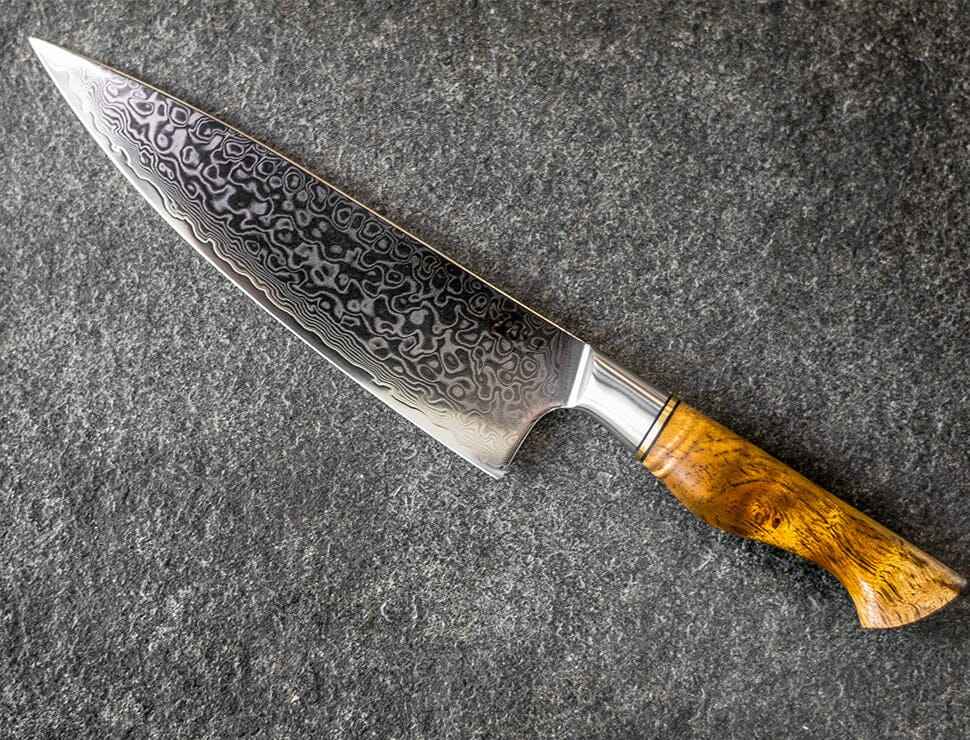
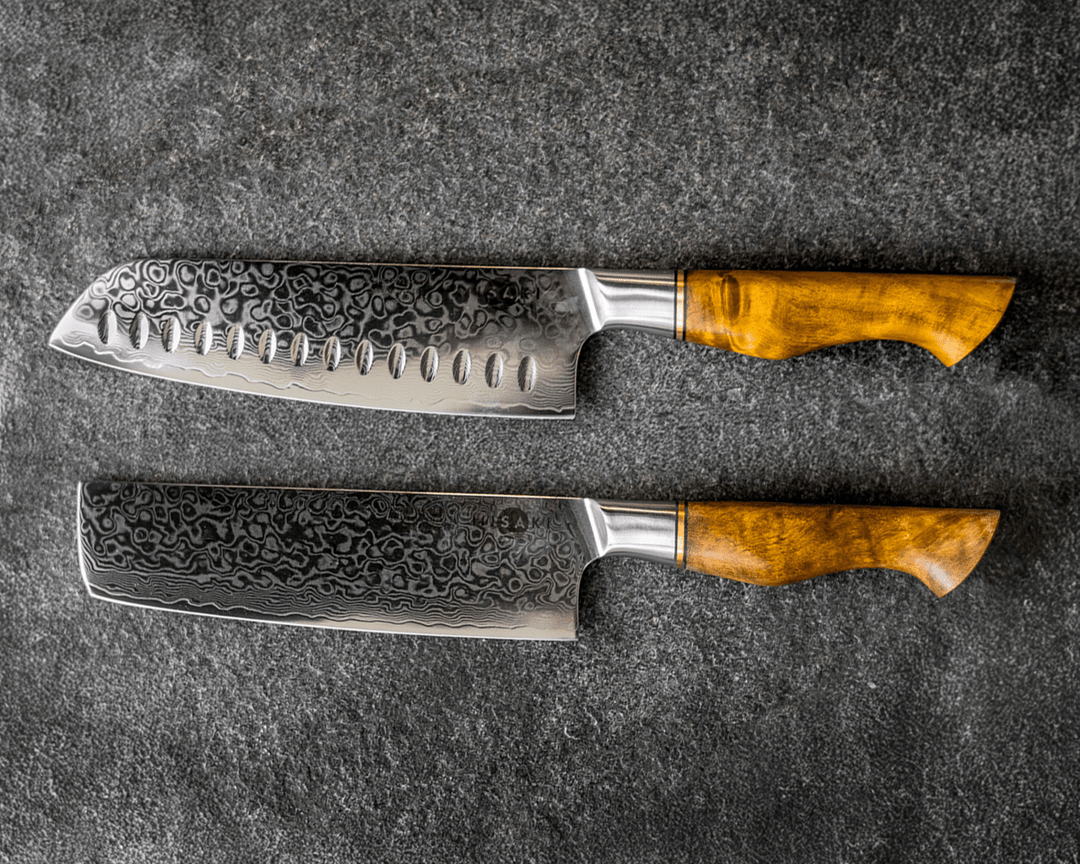

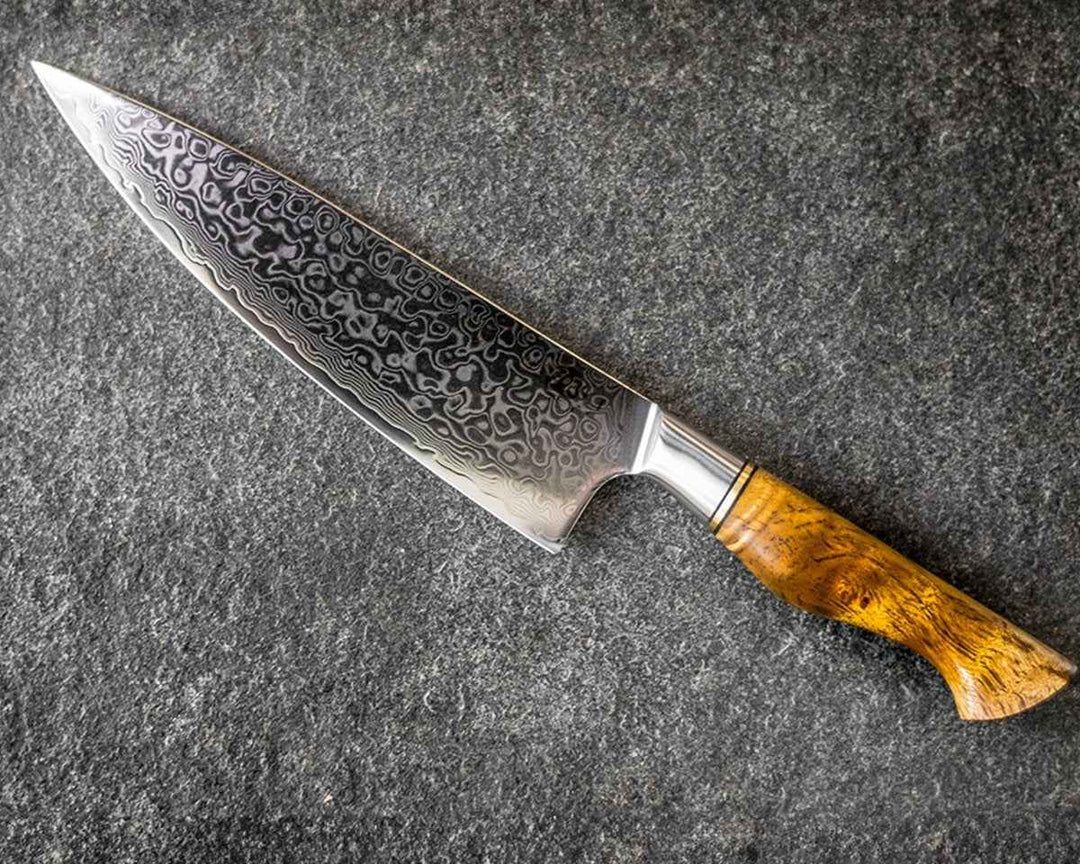
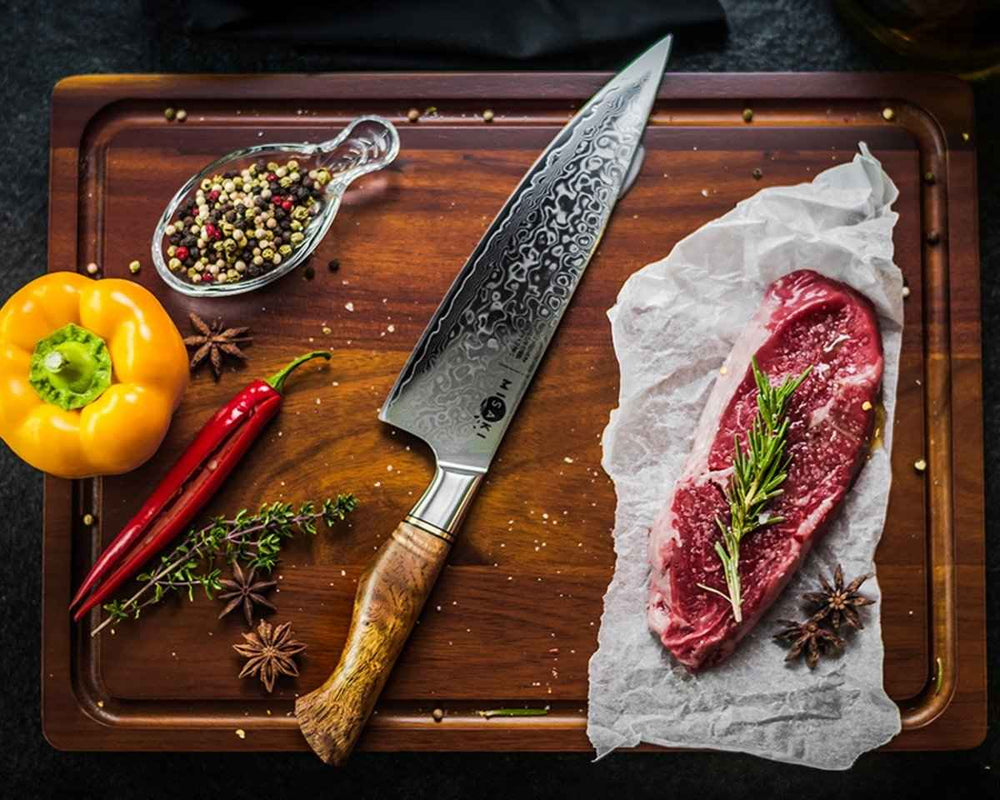


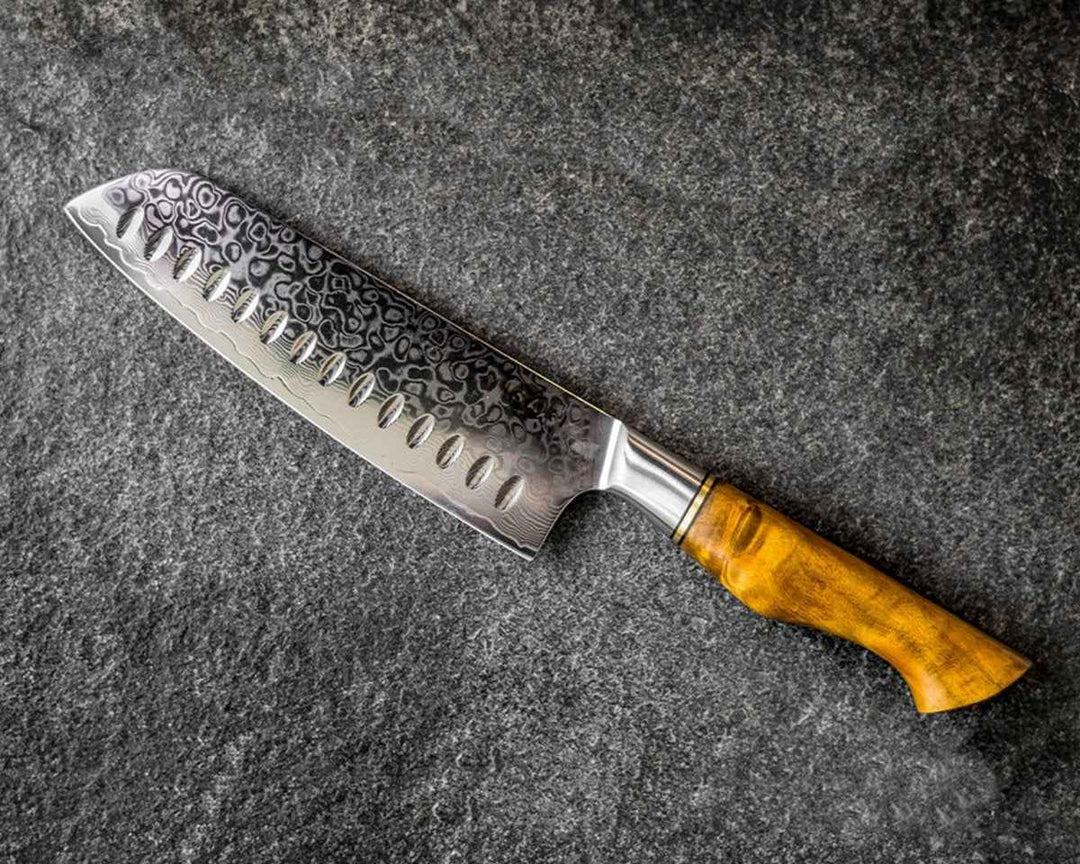
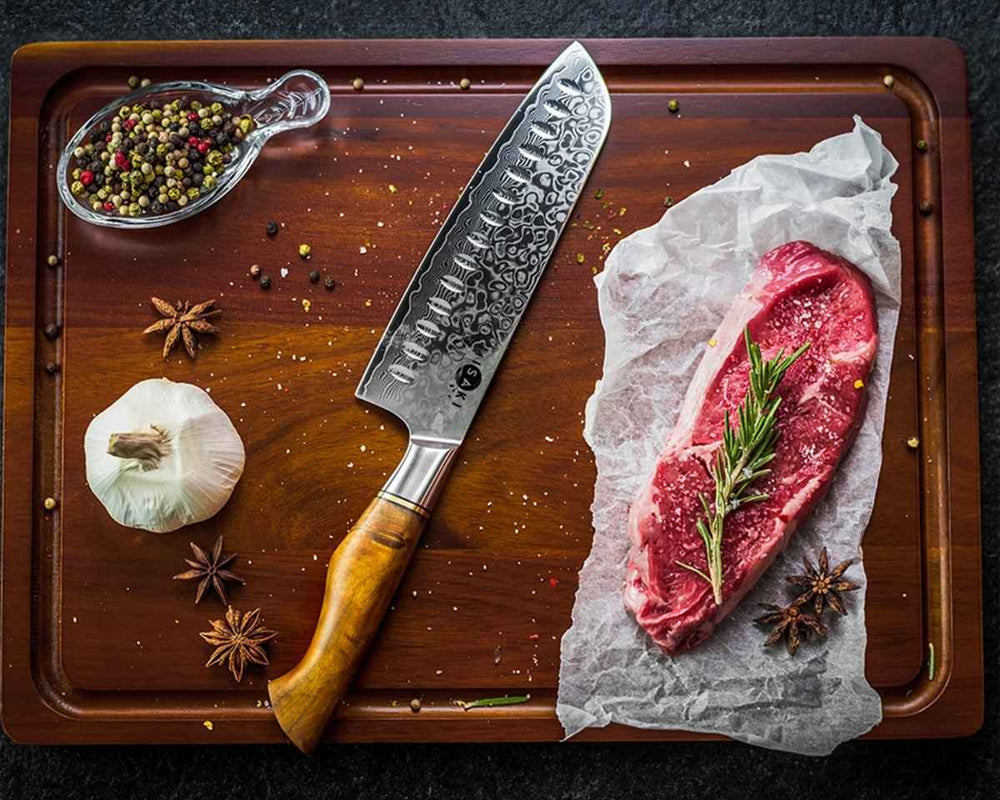


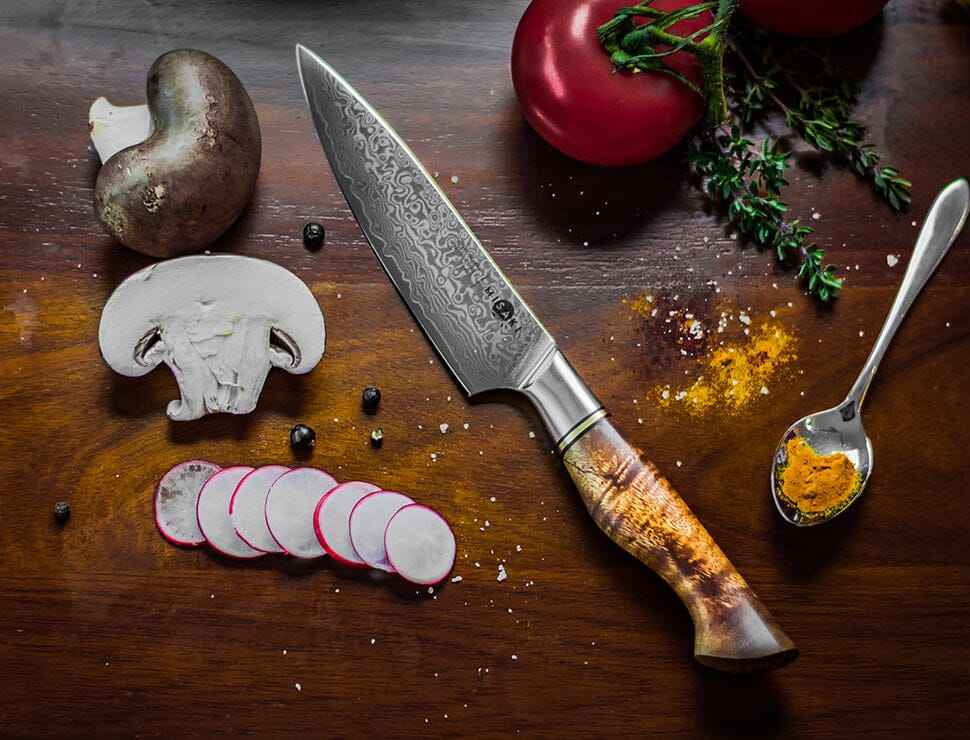


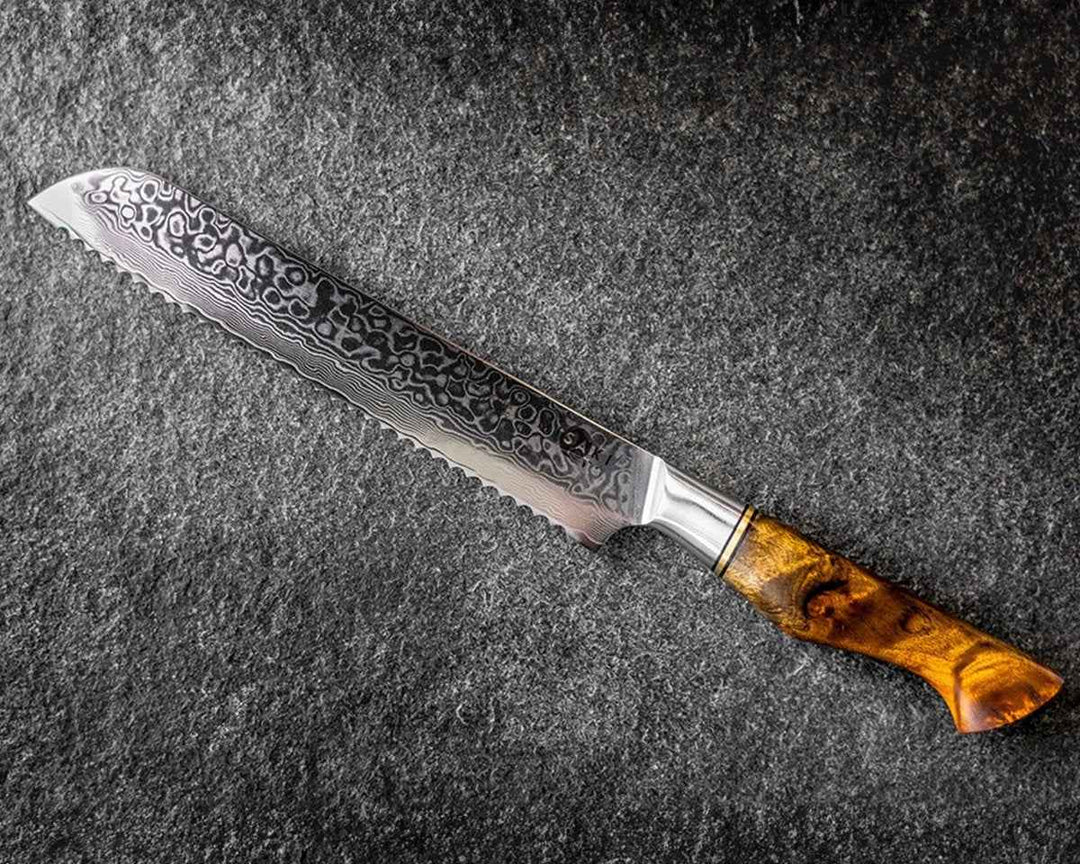
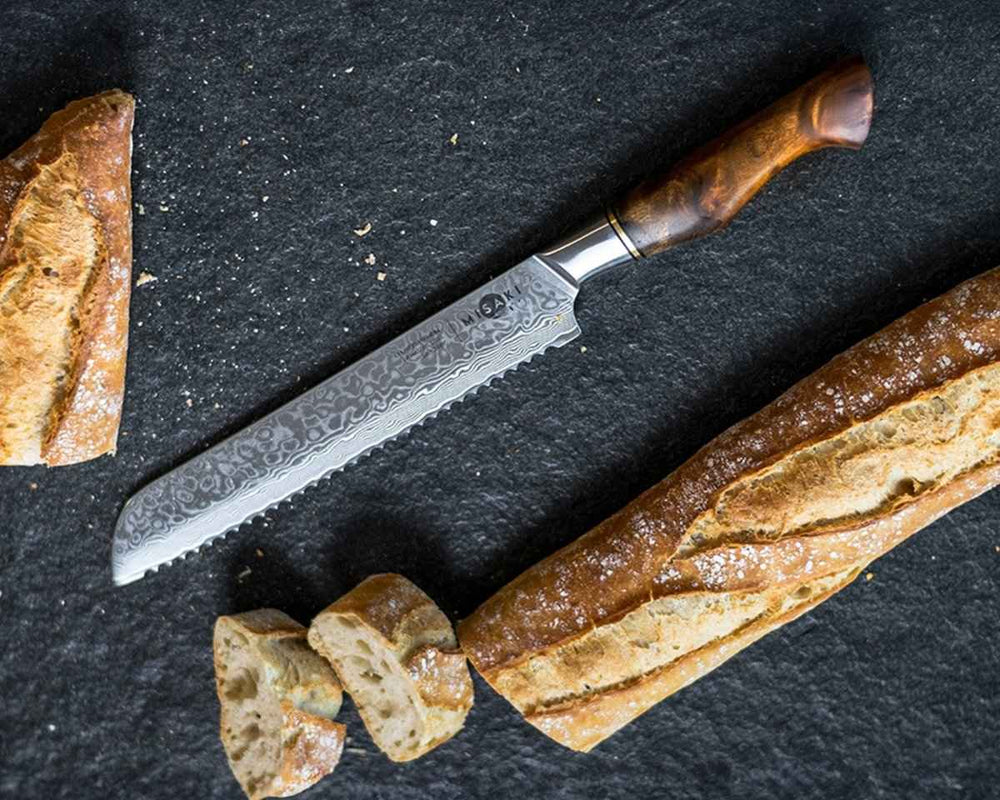


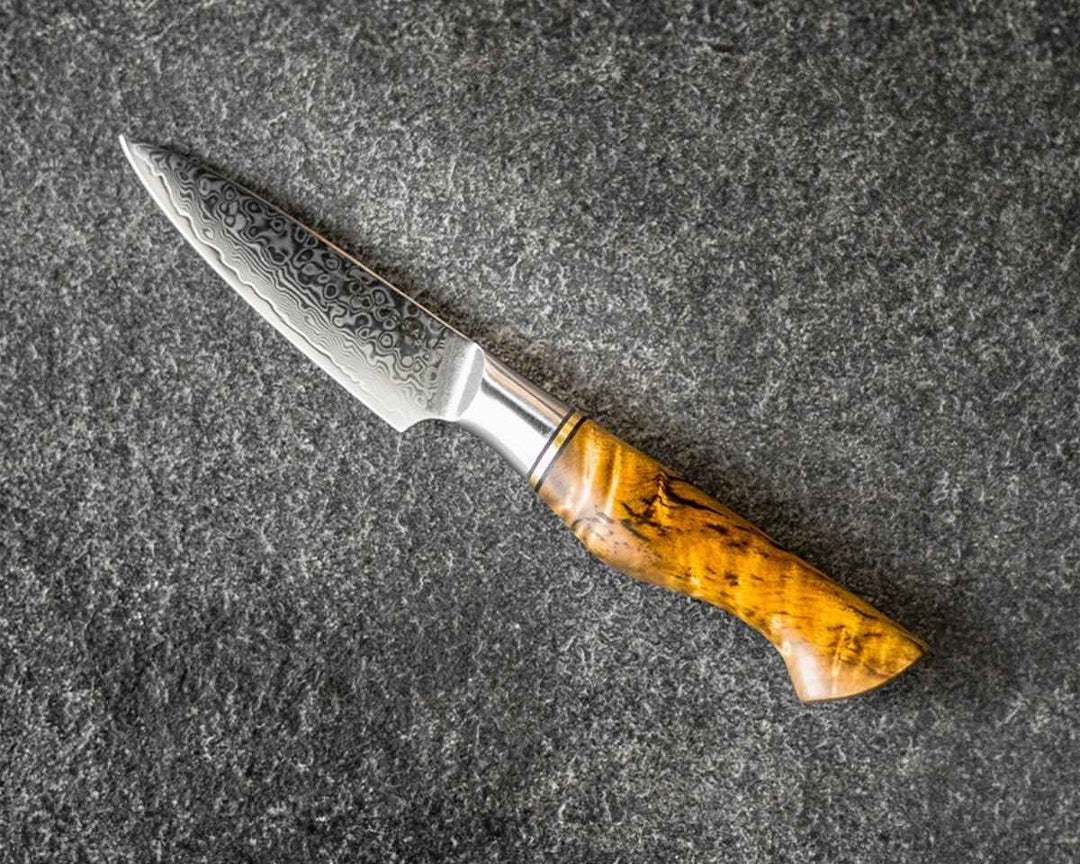
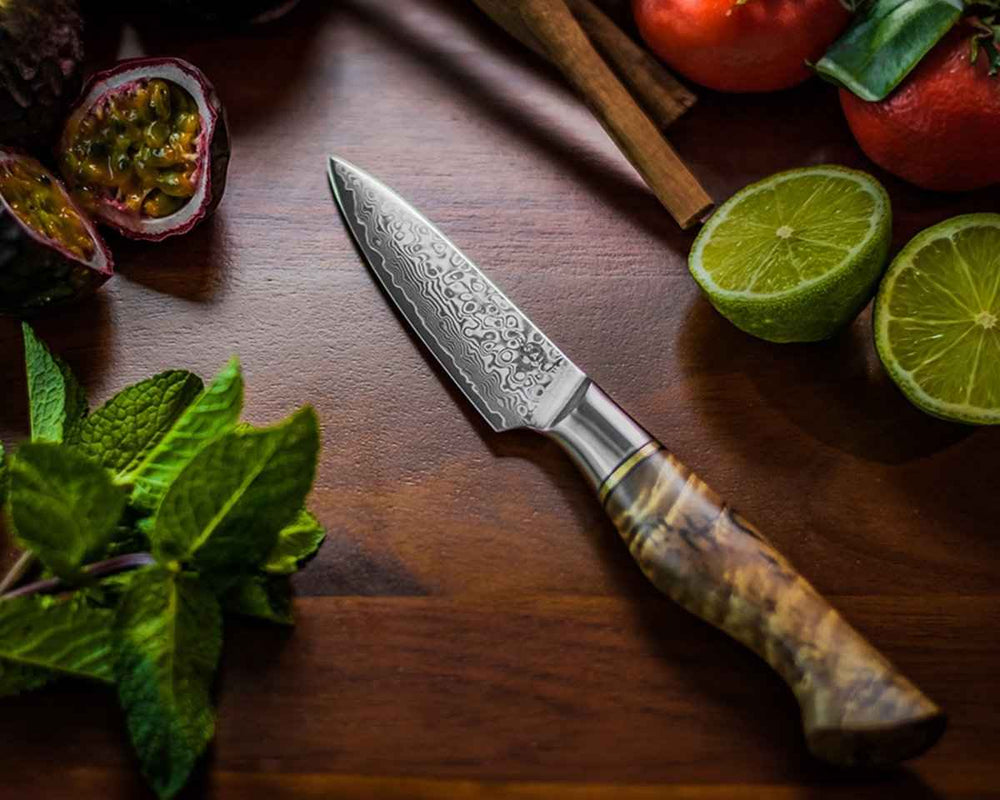


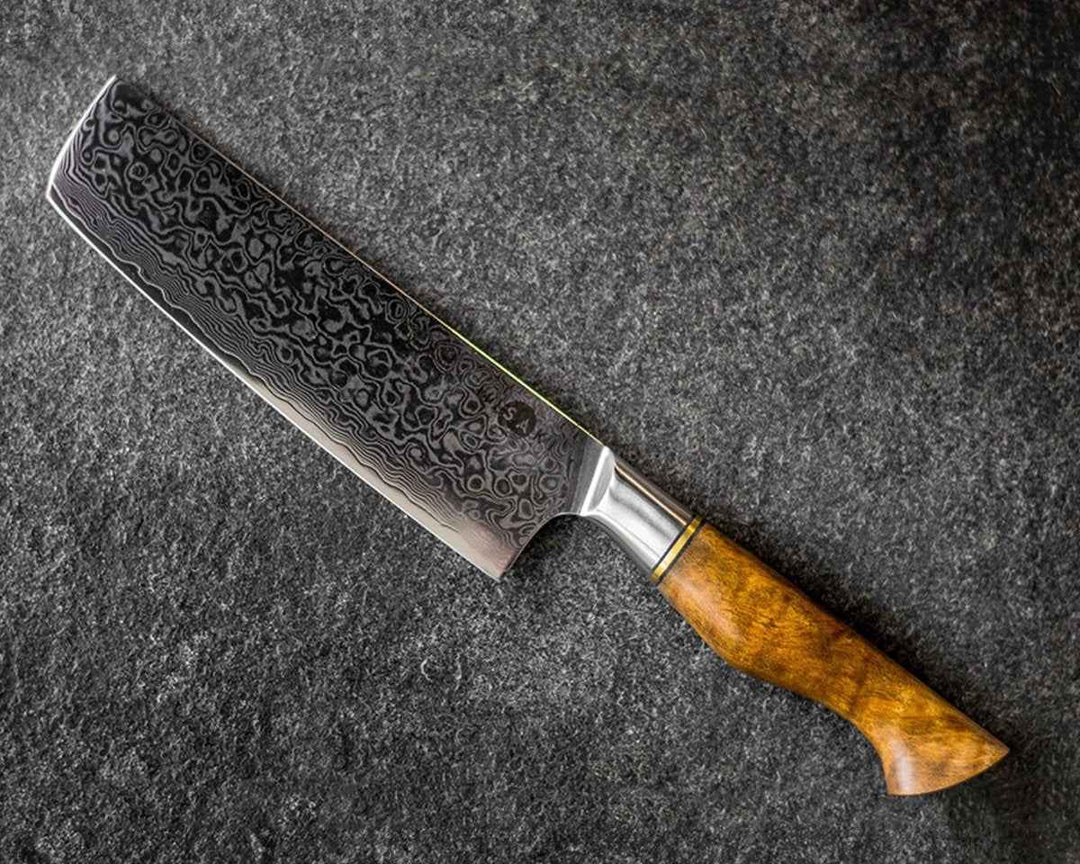

Although they share the same figure, MISAKI's two knife lines each present a unique style. Discover our MISAKI lines now.
FAQ about Knife lines
Which knives do you need in a well-equipped kitchen?
+
+
For a well-equipped kitchen, a few knives are enough if the selection is right. As a basis, we recommend a chef knife or alternatively a Santoku for most cutting tasks, a utility knife for quicker, finer tasks and a paring knife for peeling and precision work. If you often cut bread and baked goods, a bread knife is a useful addition. For lots of vegetables, a Nakiri is also worthwhile because it works very cleanly and efficiently.
Why are Japanese knives considered particularly precise?
+
+
Japanese knives are considered particularly precise because they are usually made from very hard steel. This allows hardness values above 60 HRC, while many standard knives are closer to 52 to 56 HRC. That enables an extremely fine edge with a sharpening angle between 10 and 15 degrees per side, and the edge stays sharp for a long time.
The high hardness also allows a noticeably thinner blade geometry. The blade glides more easily through the food instead of crushing it. This is especially noticeable with fine ingredients such as fish and with vegetables, where clean cut surfaces and control are important.
Which knife is suitable for what?
+
+
A brief overview of what the most important knife types are used for:
Chef knife for meat, fish, vegetables, herbs and almost all everyday tasks. Santoku as a Japanese all-rounder for vegetables, fish and meat with a very controlled cut. Utility knife for smaller ingredients, onions, fruit and quick tasks. Paring knife for peeling, trimming, coring and fine handwork. Bread knife for bread, baguette, pastries and large fruit with firm skin. Nakiri for vegetables, precise slices and clean cut edges, ideal for efficient cutting.
How do the Hikari and Akane knife lines differ?
+
+
Both knife lines stand for high-quality Damascus knives, but they differ in character, cutting feel and materials.
Hikari is lighter, agile and very versatile. The blades are designed for balanced handling, ideal for everyday use and for anyone who wants a precise knife that is effortless to guide.
Akane is heavier and tuned for powerful, controlled cuts. The core made from high-quality powder steel, the higher hardness and the precise blade geometry provide maximum sharpness and very high edge retention. It is ideal for anyone who appreciates clear feedback in the hand and has the highest performance expectations.
How should knives be stored correctly?
+
+
Knives are best stored so that the edge touches nothing. Suitable options are a knife block, magnetic strip or drawer insert with separate compartments. In a loose drawer without a knife sheath, micro-damage quickly occurs on the edge. Good storage protects sharpness, improves safety and keeps the kitchen tidy.
For transport, a knife roll or blade guard that protects the blade is recommended.
How often should knives be sharpened?
+
+
This depends on how often you cook and how you cut. In everyday use, it makes sense to maintain sharpness regularly so it does not drop too much. A diamond sharpening steel is suitable for quick refreshing. A leather strop helps as a regular routine and as a finish. A whetstone is ideal when the edge has clearly declined and needs to be rebuilt thoroughly.
Which knife types belong to a typical knife line?
+
+
A typical knife line covers the most important tasks in the kitchen. It often includes a chef knife or Santoku as the main knife, a utility knife, a paring knife and a bread knife. Many knife lines add a Nakiri for vegetables or other specialist shapes for cheese, fish or meat depending on the focus. This creates a clear selection of knife types that work together as a system.
Most important is that the knife types in the set suit the person using them.
Why are MISAKI Damascus steel knives particularly sharp?
+
+
The sharpness comes mainly from the high-quality, hard core steel with a high carbon content. It allows a very fine grind with a narrow sharpening angle, making the edge extremely sharp and helping it stay sharp for a long time. The Damascus steel also stabilises the blade and provides a controlled, robust structure. MISAKI knives cut cleanly with less pressure, which protects the ingredients and makes work noticeably more pleasant.


