



















Discover the entire world of Misaki
Welcome to Misaki, where quality meets art. In this collection, you'll find our complete range of premium Damascus kitchen knives, exclusive knife sets , and care and sharpening accessories that will elevate your kitchen experience to a new level.
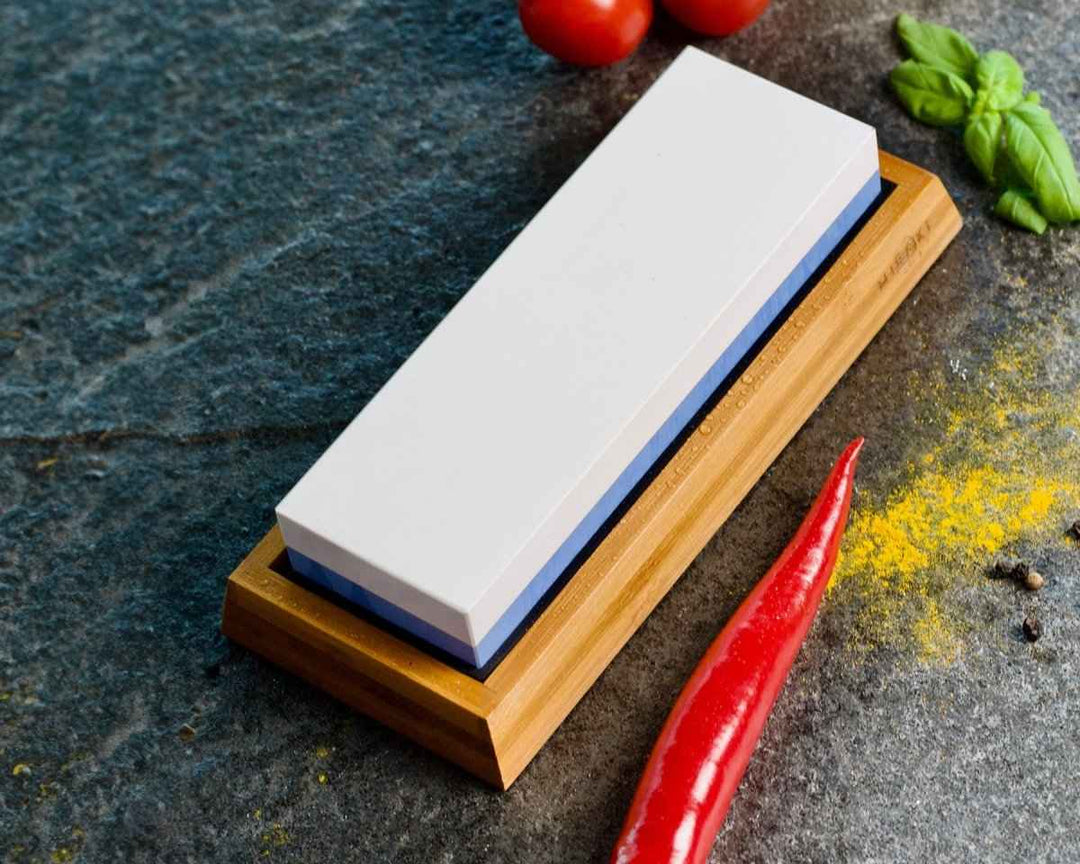
Whether you're an ambitious home cook or a professional, our handcrafted Damascus kitchen knives combine precision, durability, and elegant design. To ensure your knives always stay in top shape, we offer matching care accessories like camellia oil and high-quality sharpening accessories, including professional whetstones for perfect sharpness.
Kitchen knives from MISAKI: Precision meets passion
In the world of fine cuisine, the right tools are essential. No other tool influences the cooking process as directly as the knife. Our handcrafted Damascus steel kitchen knives combine centuries-old forging with outstanding sharpness and timeless elegance. Every MISAKI knife is the result of true craftsmanship and modern precision.
Experience how precision, balance, and aesthetics combine in your hand – for the delicate cut that transforms cooking into an art. MISAKI's high-quality kitchen knives will make your work in the kitchen considerably easier.
The fine kitchen knives from MISAKI
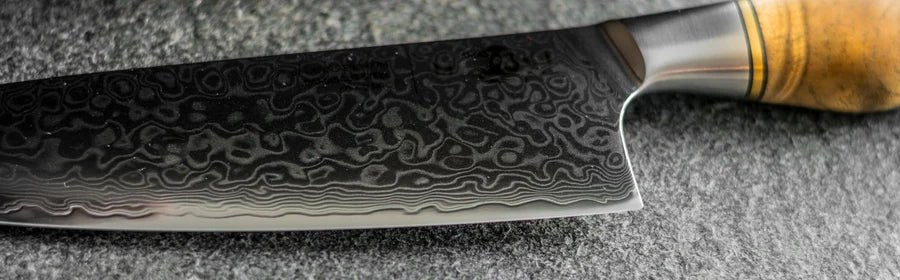
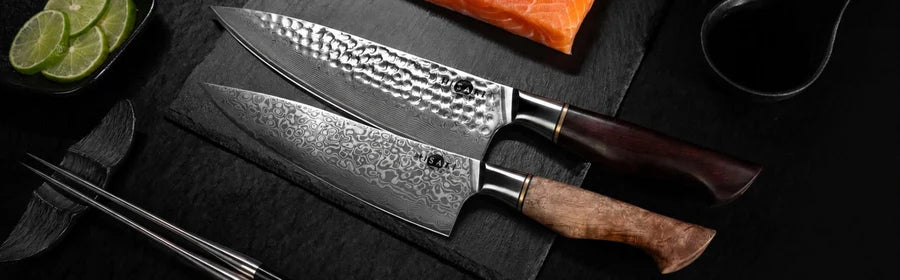
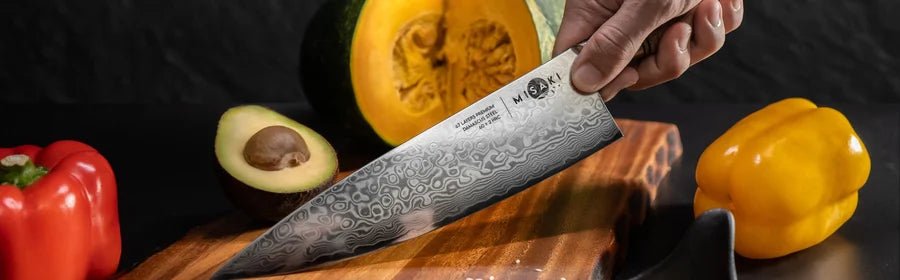
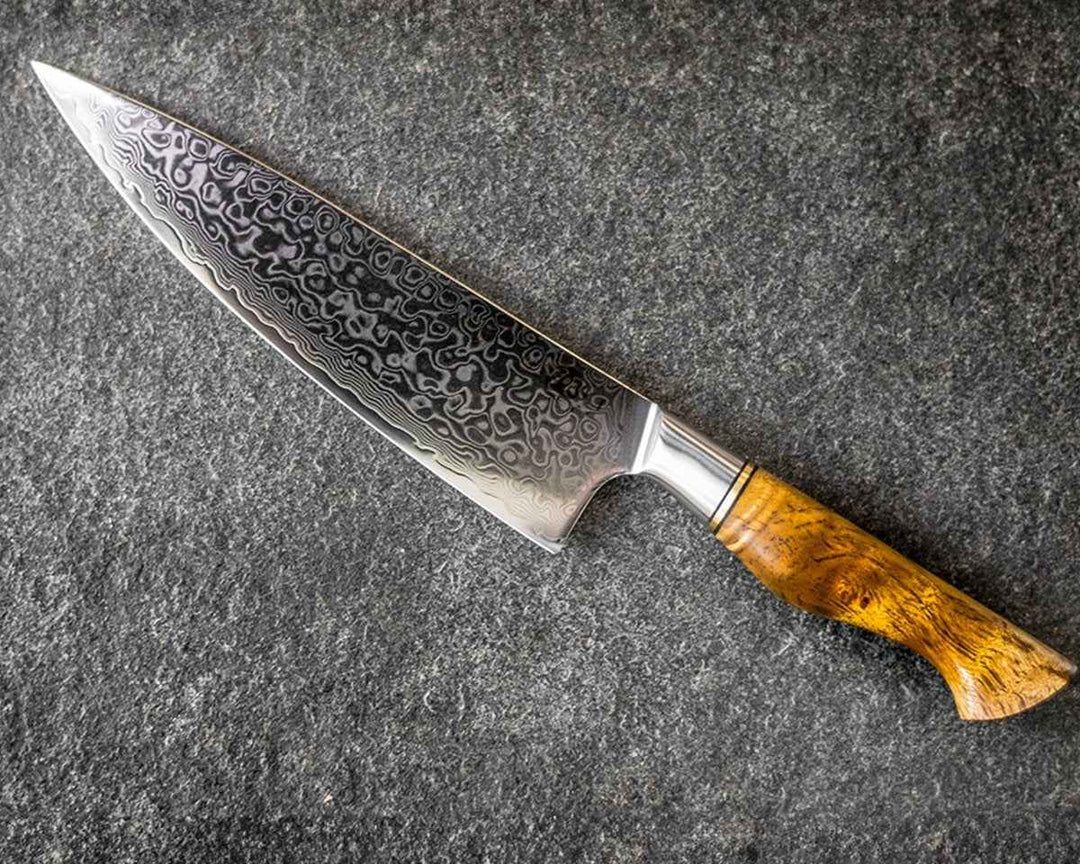
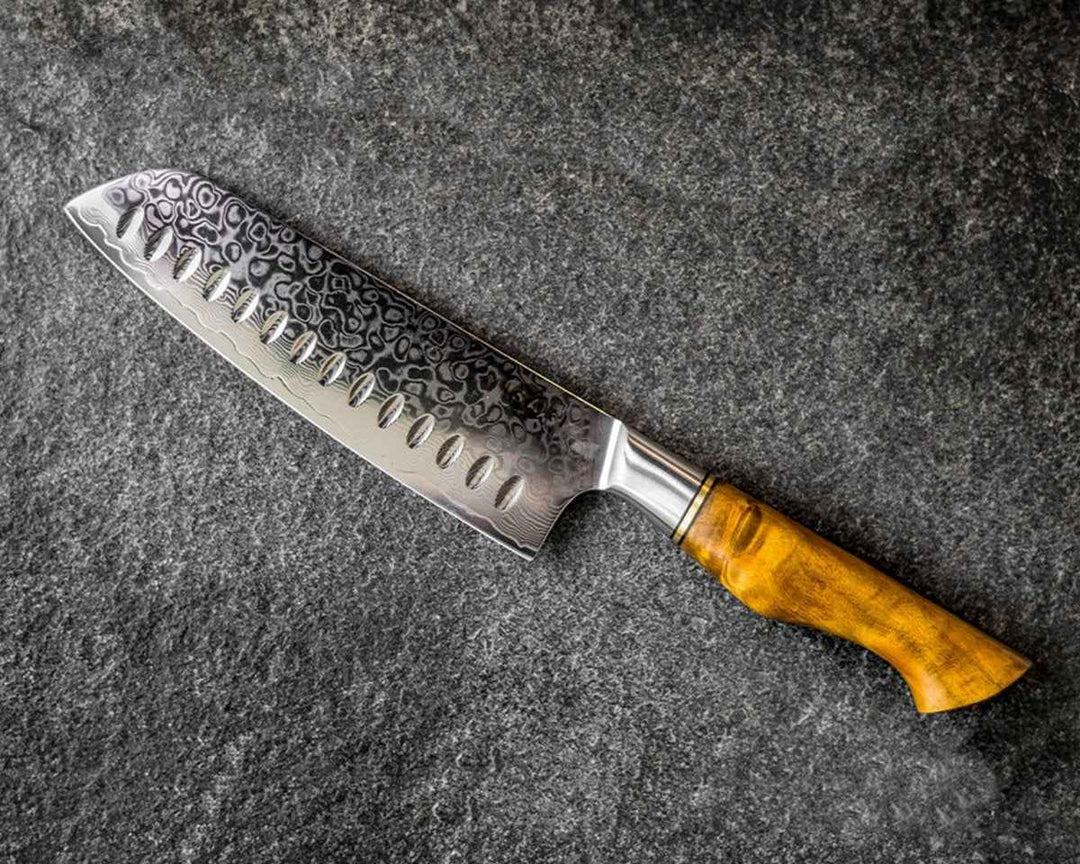
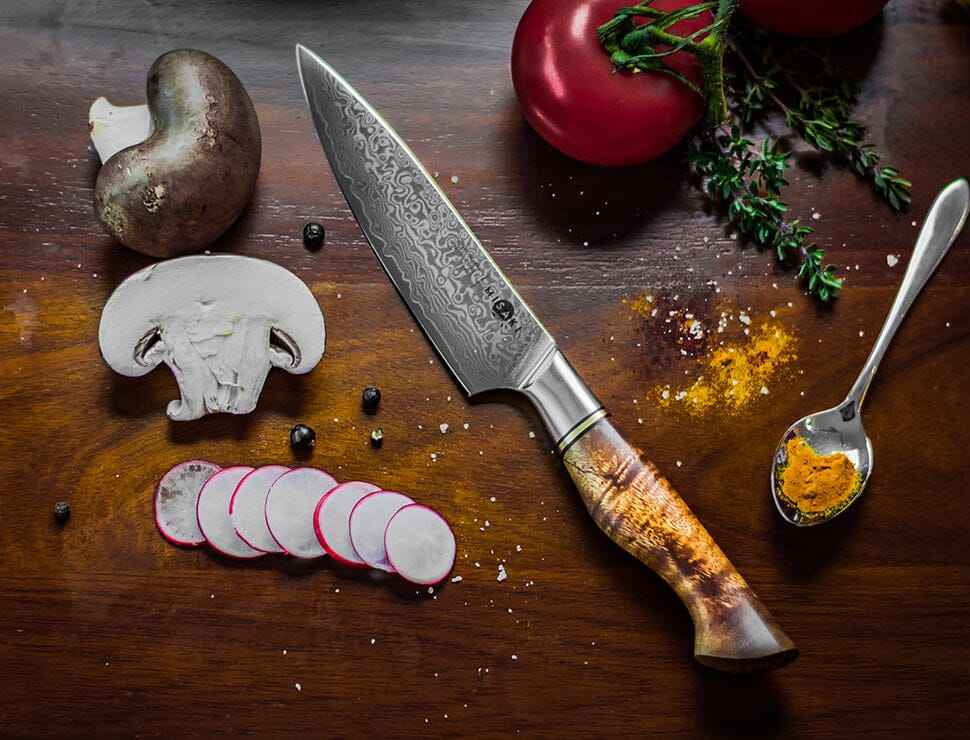
Damascus knives are among the highest quality kitchen knives available. Their blades are extremely sharp, gliding effortlessly through any type of cutting material. Their distinctive pattern makes them a visual enhancement to any kitchen. MISAKI kitchen knives combine traditional forging with modern precision. Equipped with handles made of fine wood, they sit comfortably in the hand and allow for particularly safe and effortless work.
Each MISAKI knife is unique, crafted with the aim of combining tradition and modernity at the highest level. It's not just a tool, but an expression of passion and appreciation for fine cuisine. The various kitchen knives in our range are designed in form and function for specific cutting tasks.
Always have the right knife at hand with a knife set
When you purchase a set of kitchen knives, you'll enrich your kitchen with a diverse selection of knives. MISAKI offers both 2-piece and 5-piece sets.
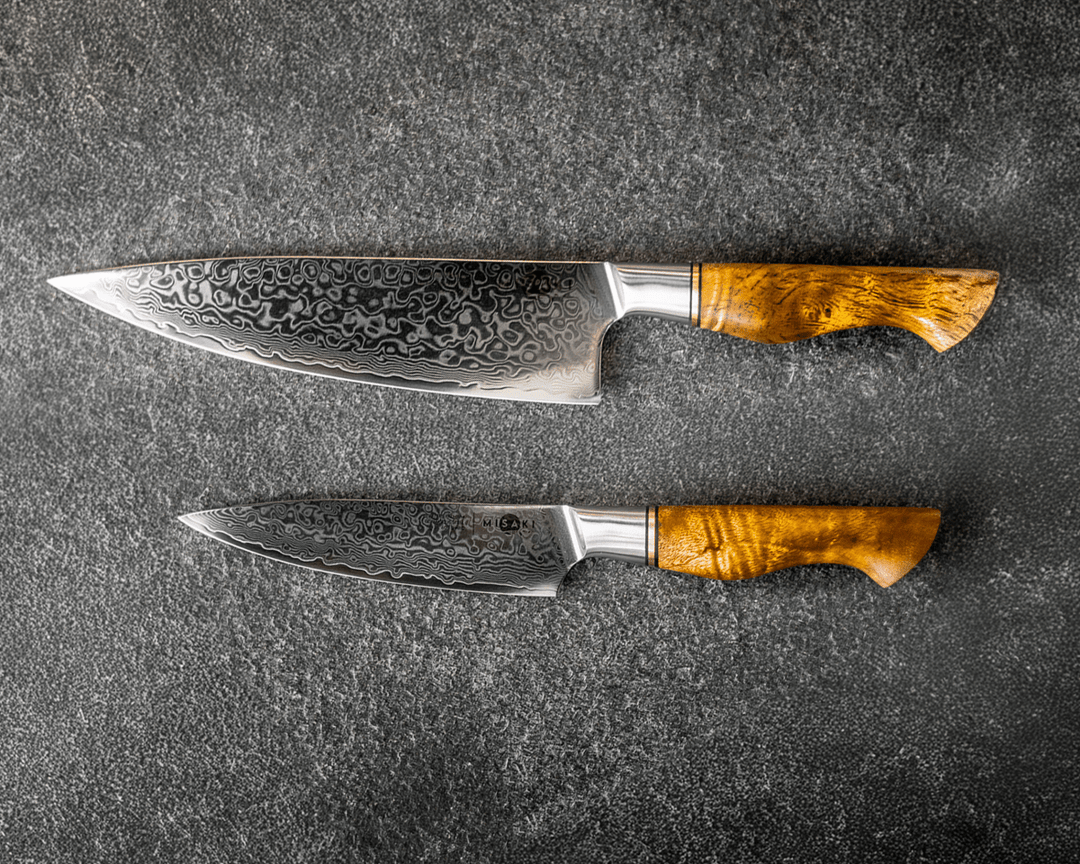
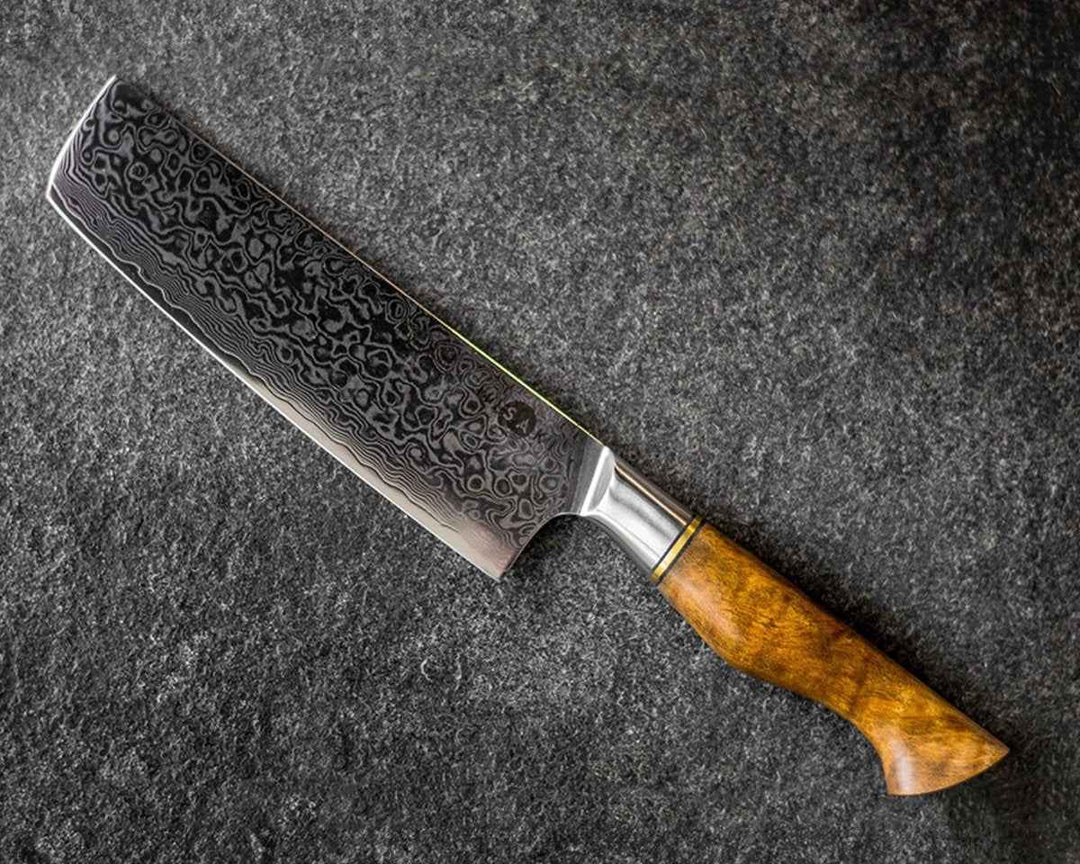
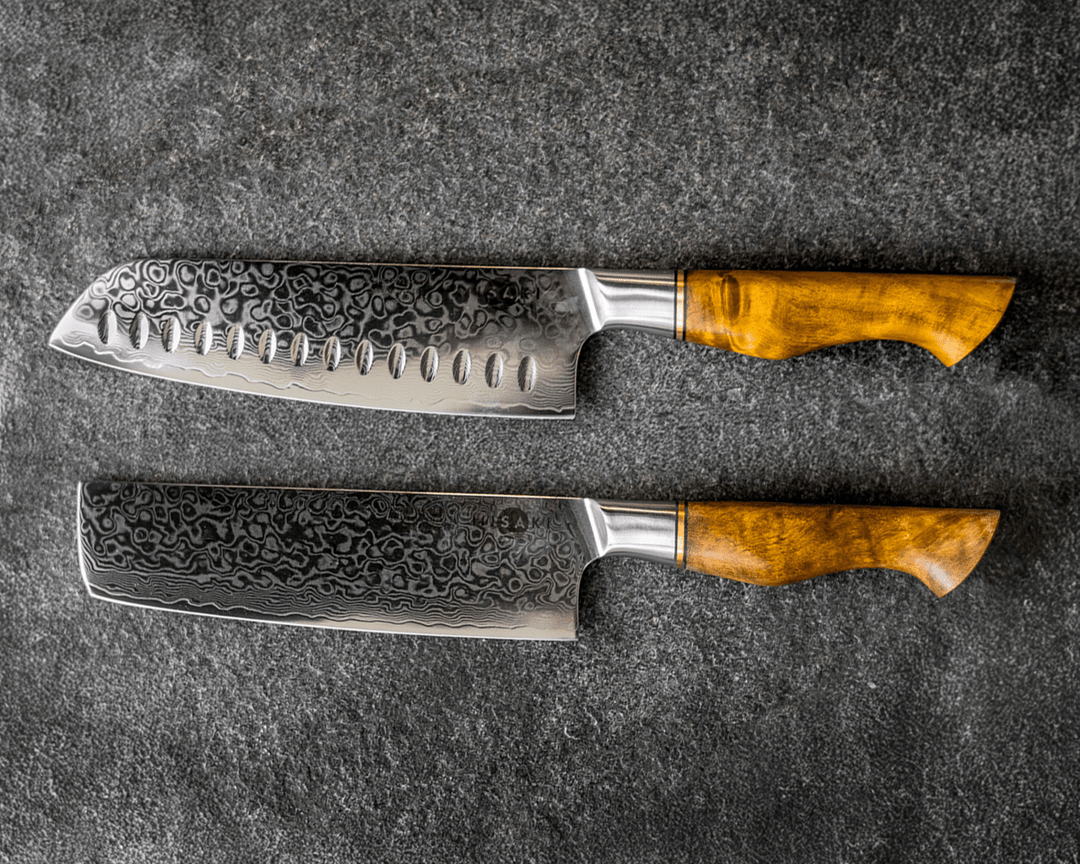
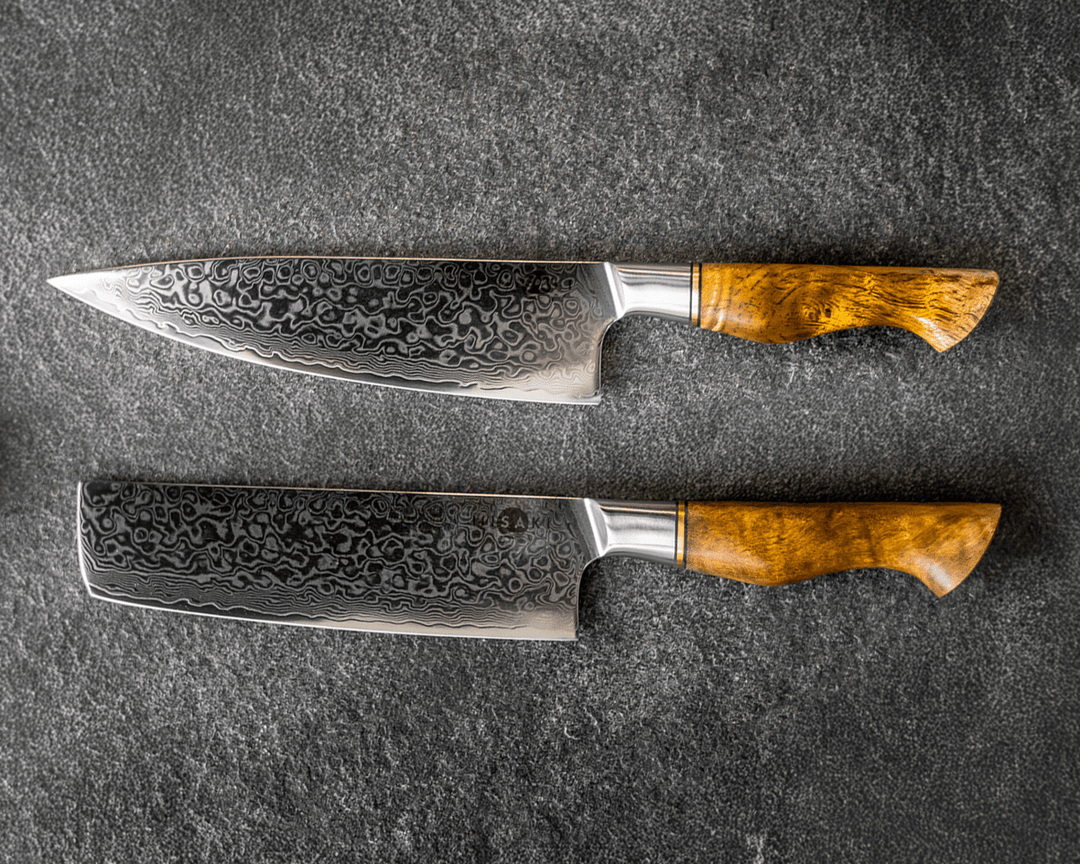
Our two-piece knife sets are carefully selected knives that complement each other. For example, we offer a set that includes a chef's knife and a nakiri knife . While the chef's knife is suitable for a variety of cutting tasks, the nakiri knife is specifically designed for chopping vegetables.
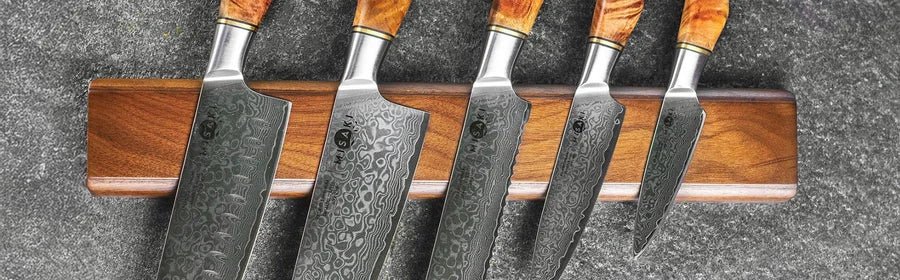
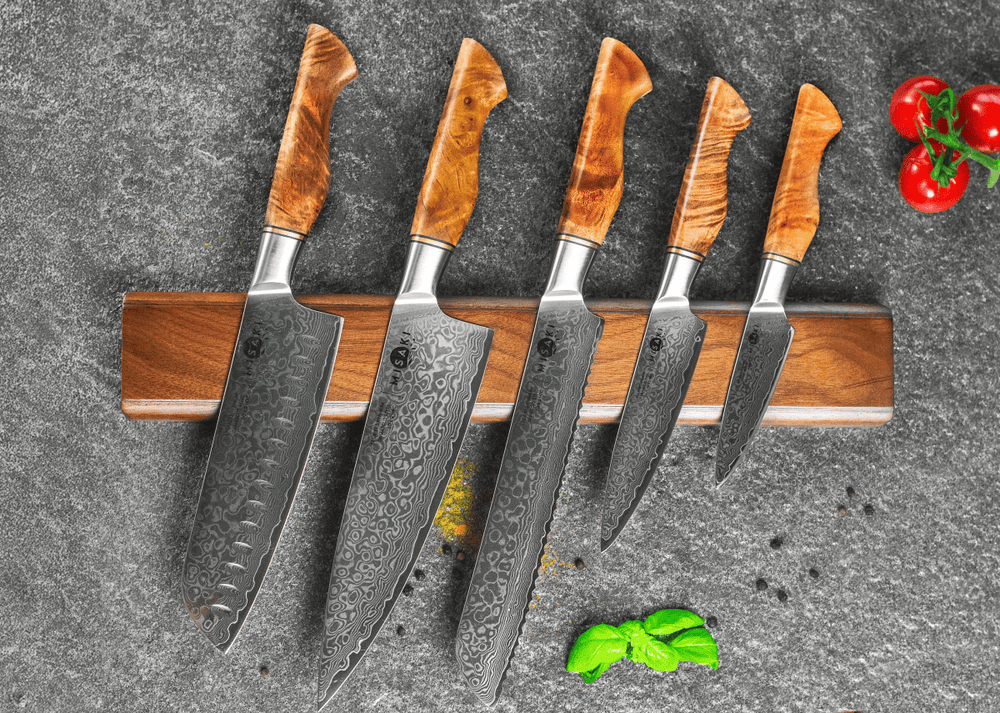
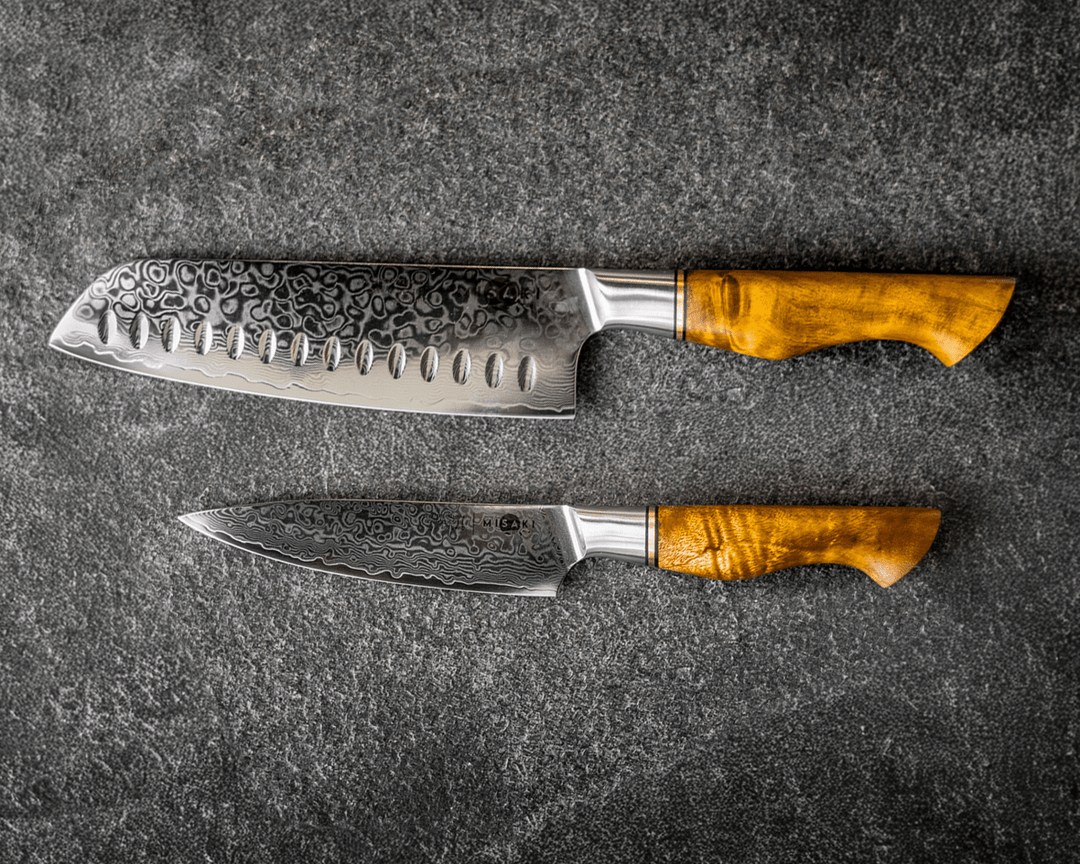
A comprehensive selection of high-quality kitchen knives is offered by a 5-piece knife set from MISAKI . It consists of the following knives:
-
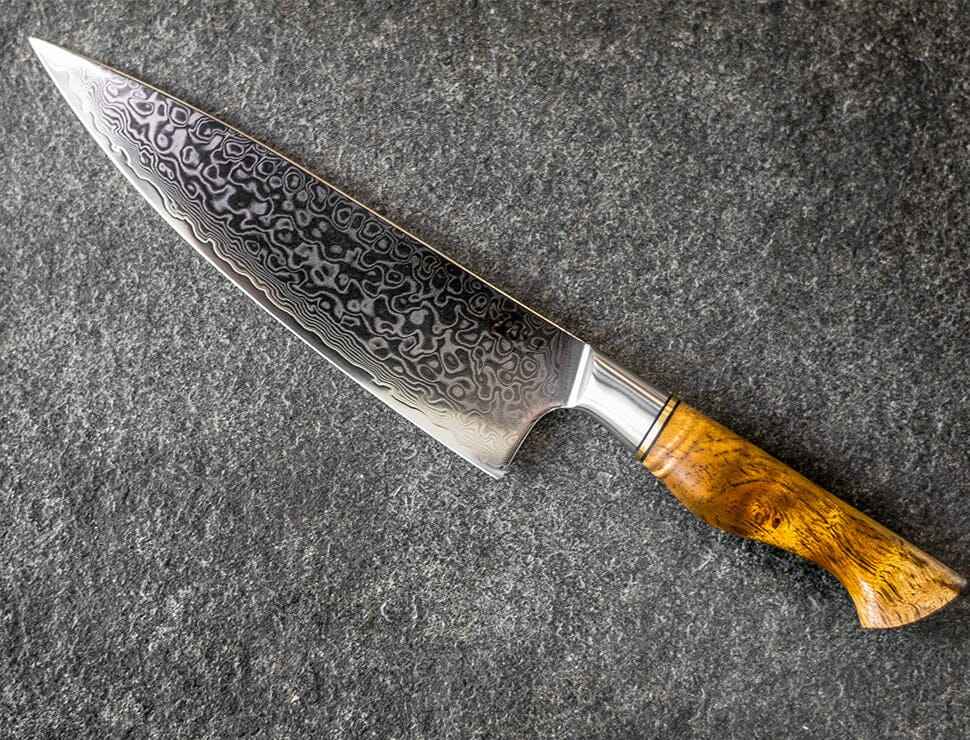
chef's knife
-
Santoku
-
All-purpose knife
-
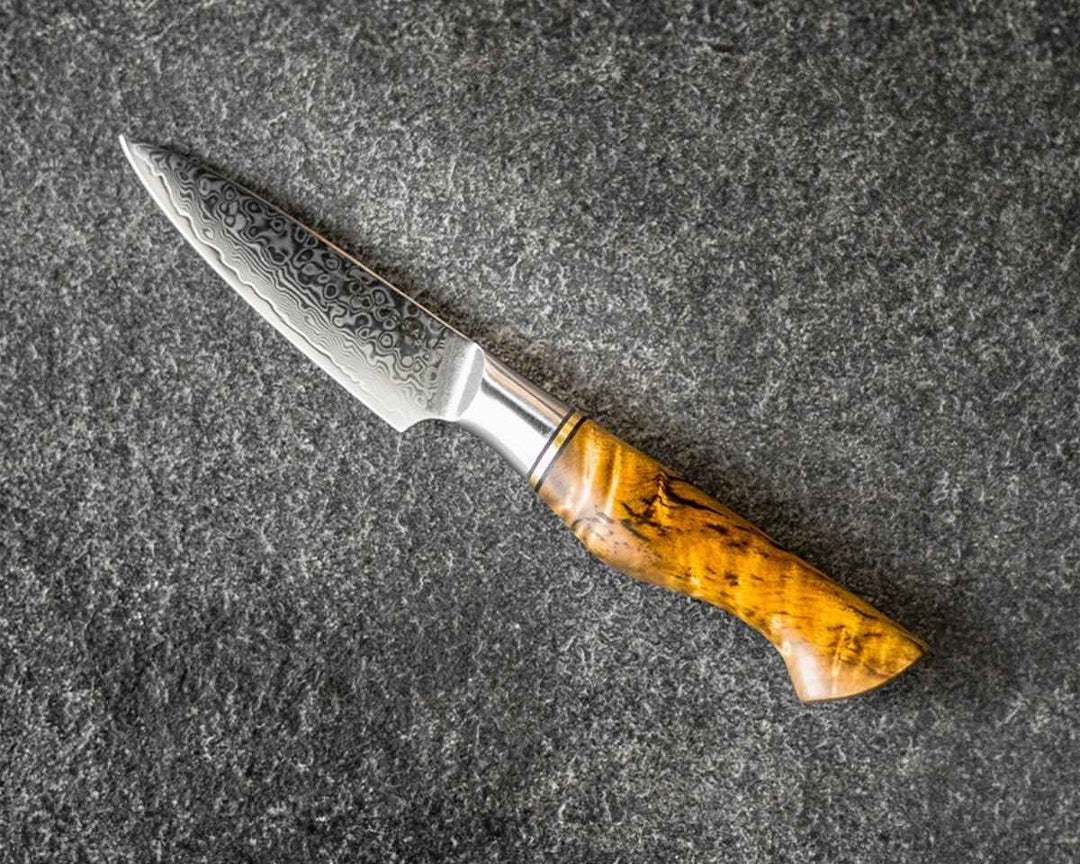
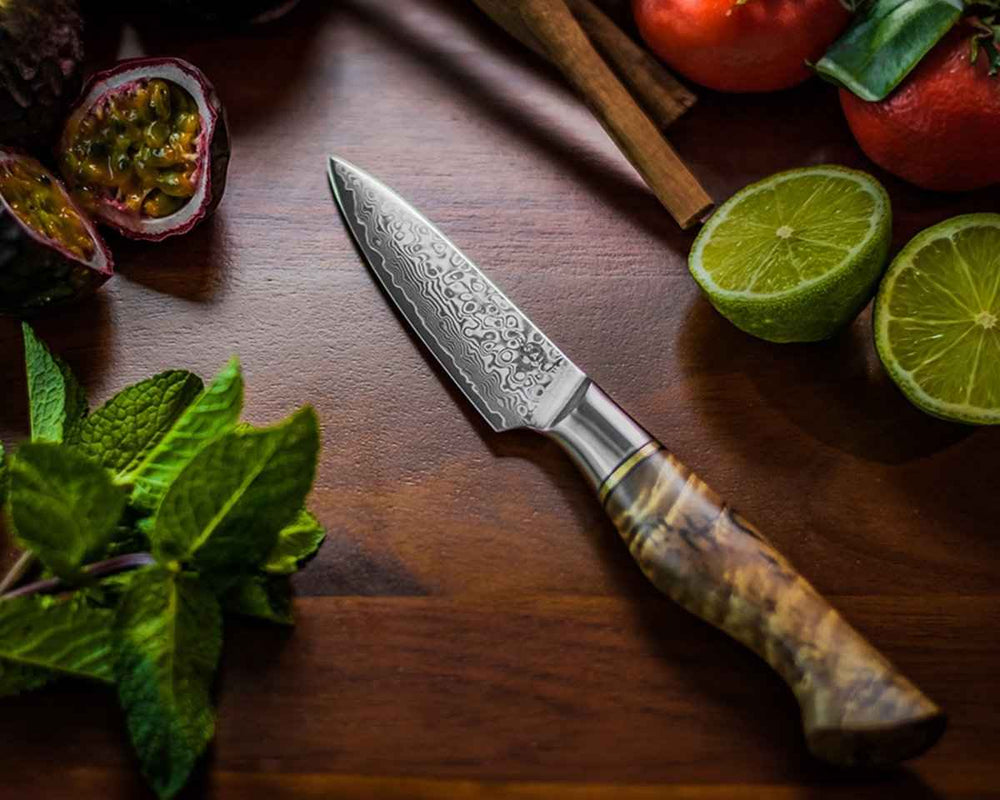
Paring knife
-
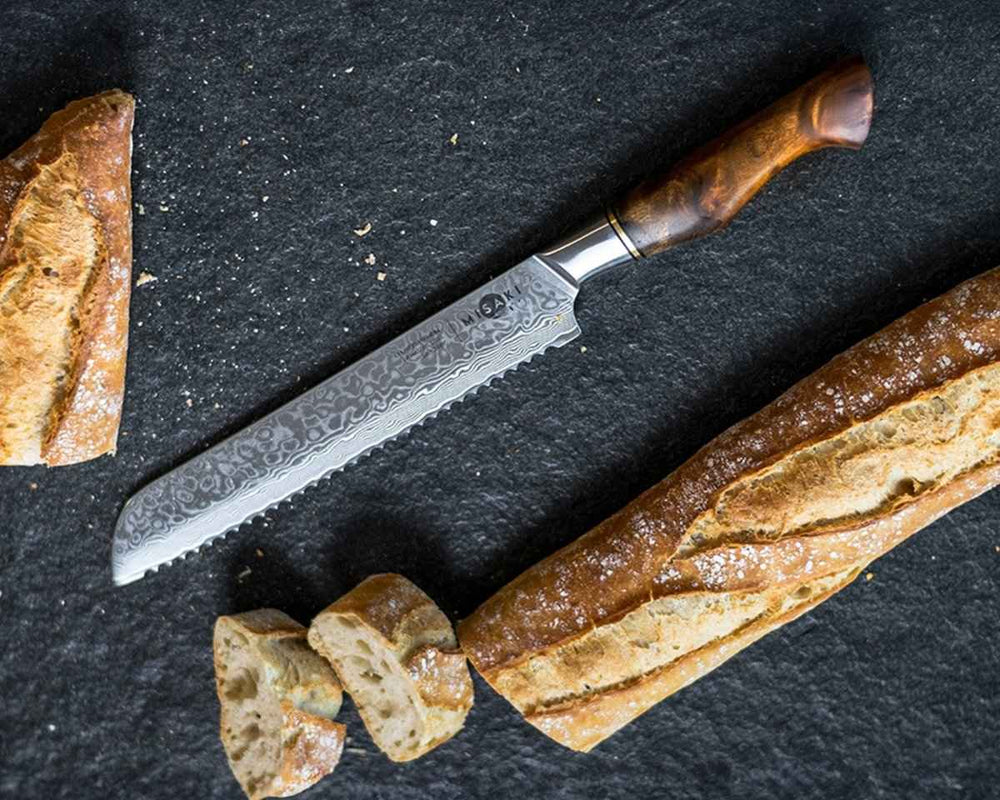
bread knife
With a set like this, you'll be equipped for all cutting tasks in the kitchen. You can find a 5-piece knife set in both our Hikari and Akane lines . When you purchase a 5-piece set, you'll receive a free, elegant and practical magnetic knife holder made of walnut wood. This allows you to store your knives safely and elegantly.
How to properly care for your Damascus steel kitchen knives
Never put Damascus knives in the dishwasher, as this will cause significant damage. Instead, rinse them with water after each use, using a mild detergent. Then dry the knives thoroughly with a soft cloth.
FAQ about all products
What types of kitchen knives are there?
+
+
There are different kitchen knives designed for specific tasks. The paring knife is used for delicate work with fruit and vegetables, while the bread knife cuts baked goods and large fruits. True all-rounders in the kitchen are the chef knife and the Santoku.
Which kitchen knife is suitable for which purpose?
+
+
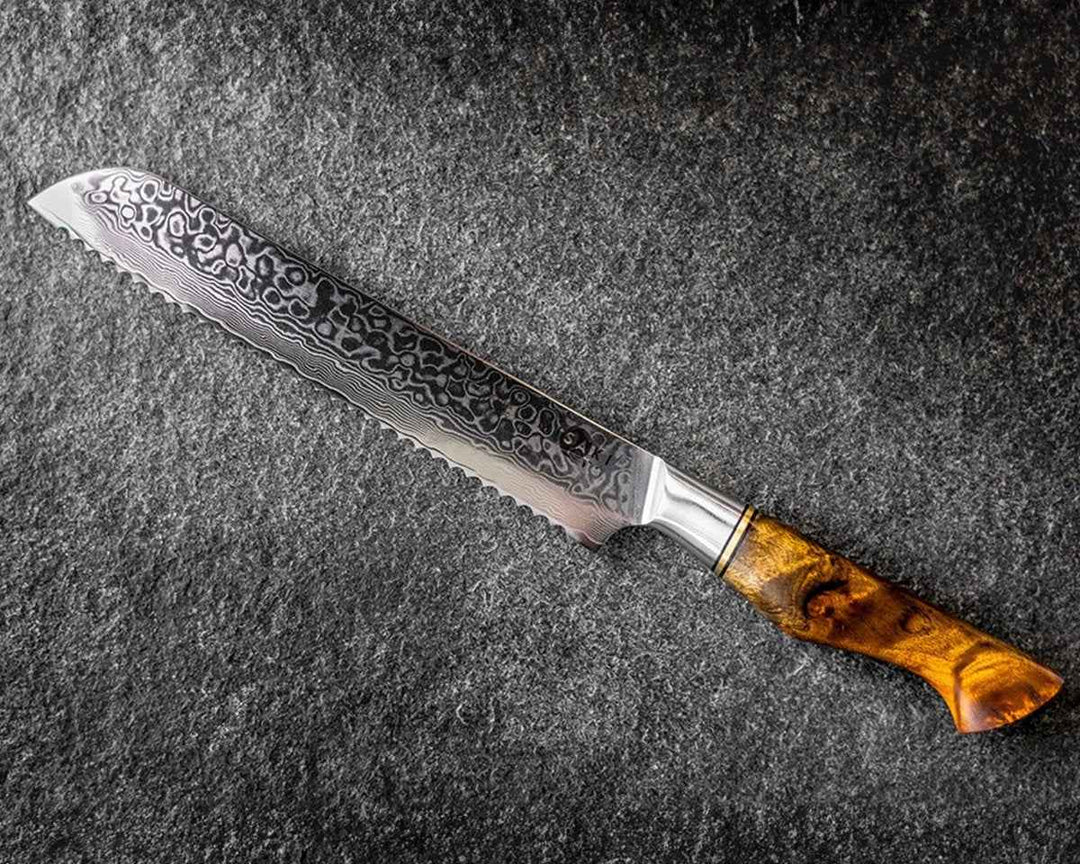
Every kitchen knife has its own tasks. The chef knife is an all-rounder for slicing, rocking and chopping. The Nakiri is ideal for cutting vegetables. With a bread knife, you can cut through hard bread crusts and large fruit such as melons. A paring knife is used for peeling and carving fruit and vegetables. It is worth looking at the different knife types to choose the right knife for every kitchen task.
What should I look for when buying a kitchen knife?
+
+
When buying kitchen knives, quality, sharpness and balance matter. Make sure that high-quality steel has been precisely crafted. Prefer Damascus kitchen knives for excellent edge retention. A fine kitchen knife should be well balanced and sit securely in the hand. This makes effortless and controlled work possible.
How do I cut safely with a kitchen knife?
+
+
Always guide the blade of a kitchen knife in a controlled way and with the edge pointing away from your body. The claw grip is especially safe: curl the fingertips of the hand holding the food slightly inward. This prevents you from cutting your fingers.
Which kitchen knife is the best?
+
+
The best kitchen knife is the one that suits your hand and your cooking style. For most households, a chef knife or a Santoku is the best choice because it is versatile and covers most cutting tasks. Look for comfortable balance, a secure handle and a blade that can be guided cleanly.
How do I sharpen my kitchen knives?
+
+
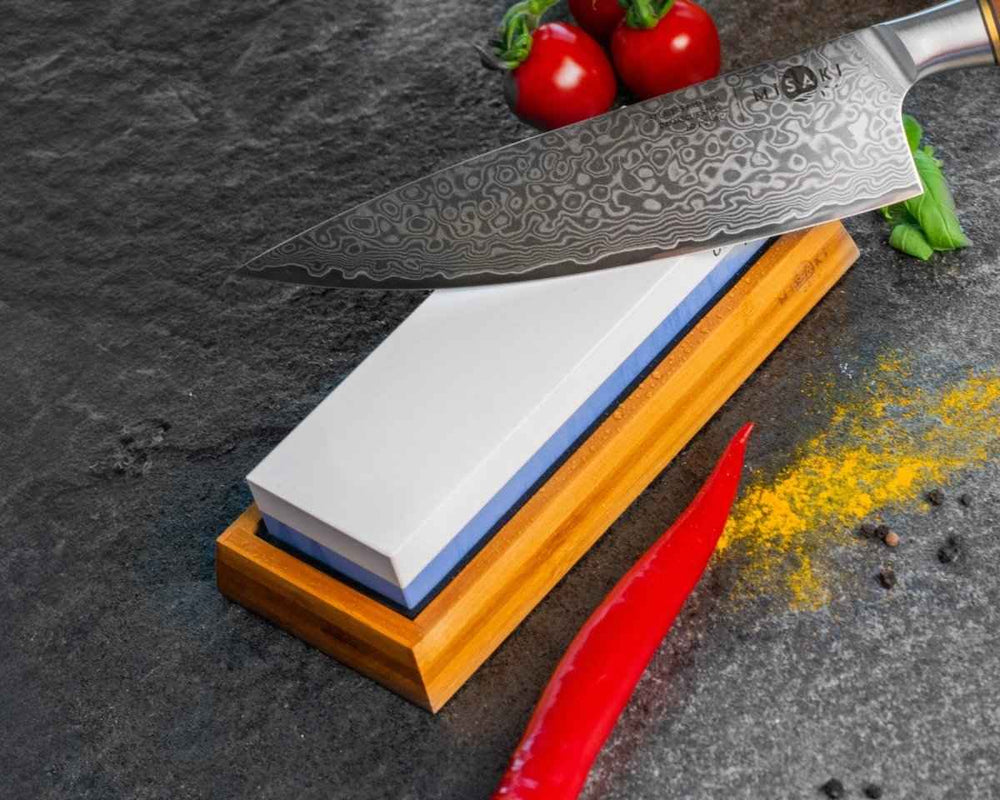
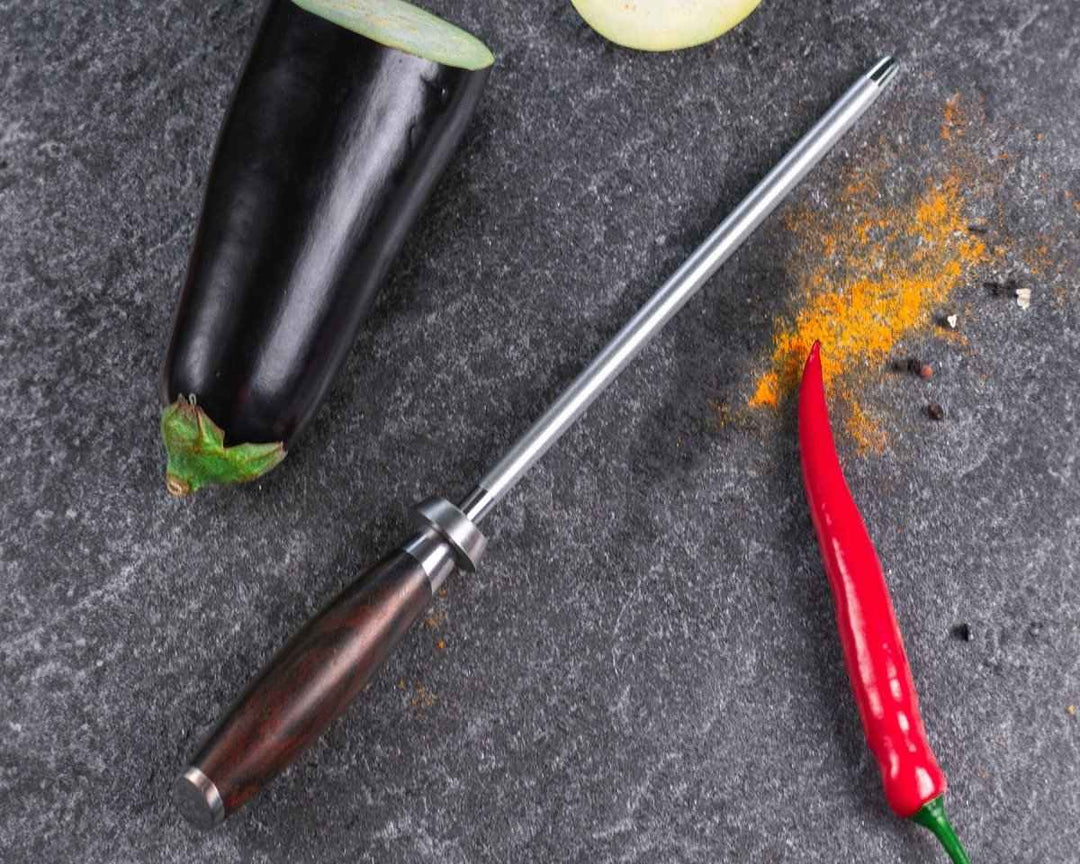
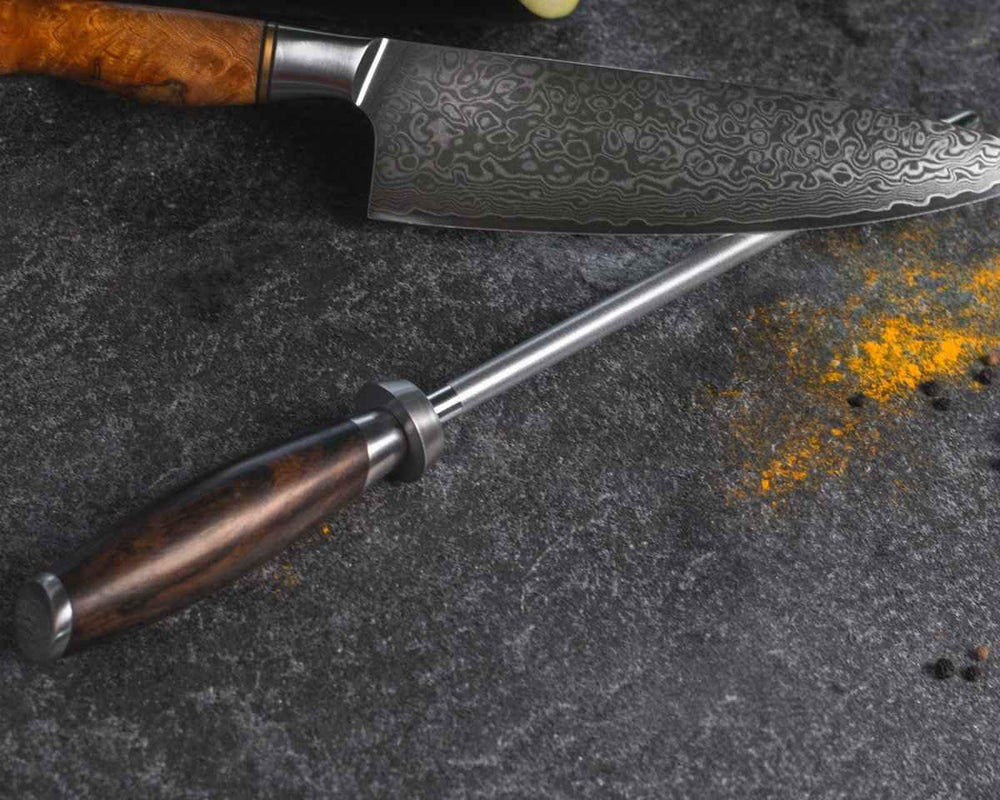
For maximum sharpness, use a whetstone when the knife is clearly dull. For quick sharpness, a diamond sharpening steel is suitable for touch-ups. As a finish and for regular edge care, a leather strop removes the last burr and makes the edge razor-sharp.
Which kitchen knives are really needed?
+
+
In most kitchens, two to five knives are enough. A chef knife or Santoku as the main knife and a utility knife cover most cutting tasks. Depending on your needs, a paring knife, a bread knife and another specialist knife such as a Nakiri for vegetables or a filleting knife for fish can be useful additions. Which additions make sense depends on whether you often prepare certain ingredients or perform special cutting tasks.
How do I care for my kitchen knives properly so they stay sharp for a long time?
+
+
Clean kitchen knives by hand with lukewarm water and mild detergent, then dry them immediately. Cut on wood or plastic, not on glass or stone. Use safe storage, for example a knife block or blade guard, so the edge does not hit metal or ceramic. Avoid hard edges, bones, frozen food and levering movements because they can strain the fine edge.
How do I find the right kitchen knife for my cooking habits?
+
+
First think about what you cut most often. Lots of vegetables and herbs speak for a Nakiri. Lots of meat and versatile cooking speak for a chef knife or a Santoku. If you often prepare small ingredients, a utility knife or paring knife is also worthwhile. If possible, also consider the blade length, because a knife should feel secure and be easy to guide without force.


