




Why a high-quality meat knife is essential
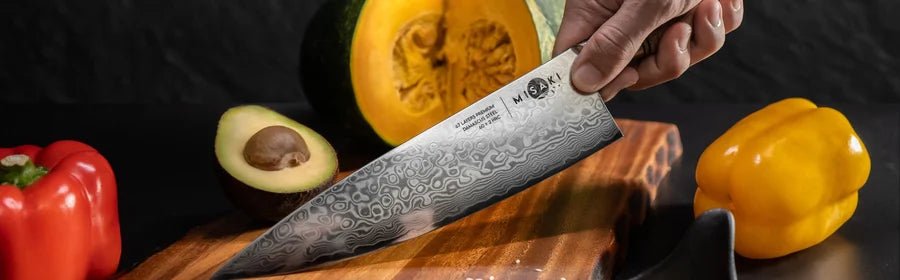
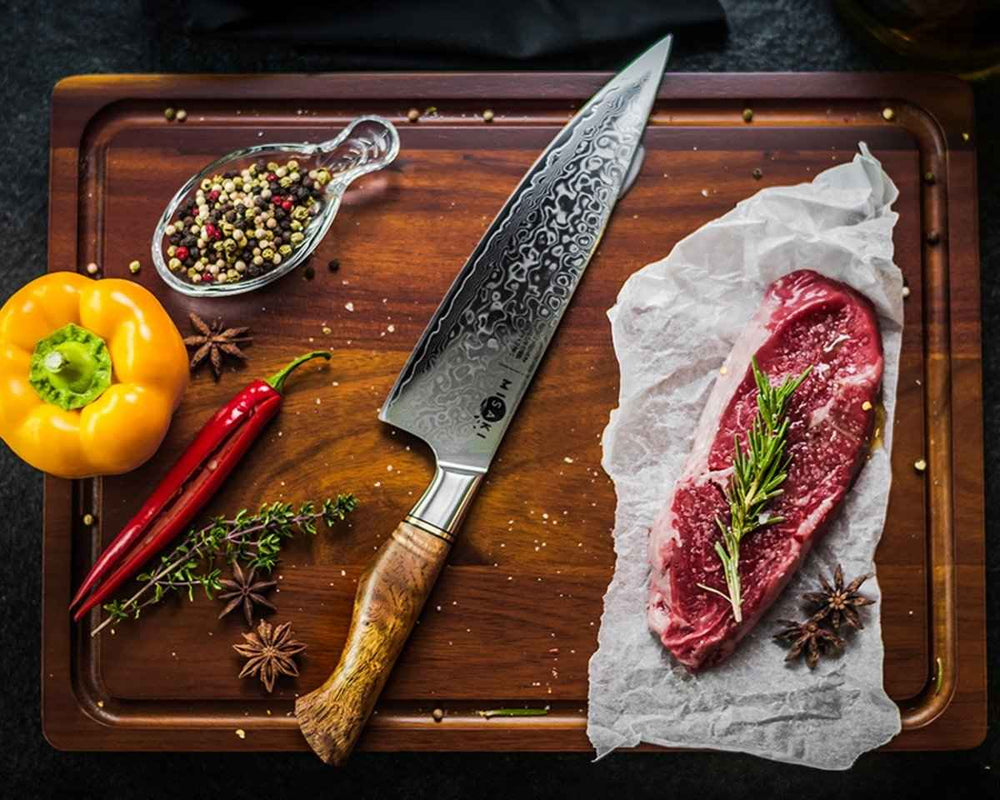
Anyone who wants to cut meat cleanly needs a sharp meat knife with a precise and well-balanced blade. It glides through the food in a controlled way without unnecessarily tearing the fibres. This creates clean cut surfaces, attractive presentation and comfortable work in the kitchen.
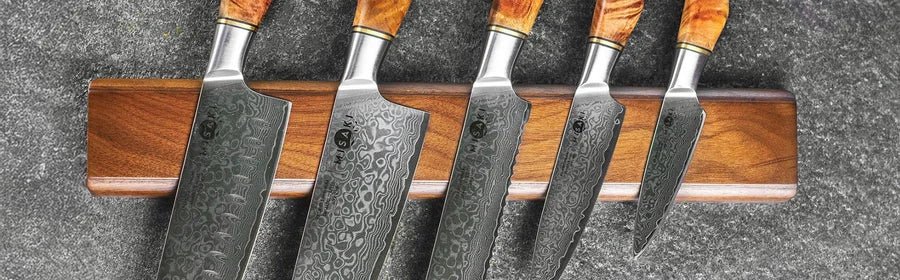
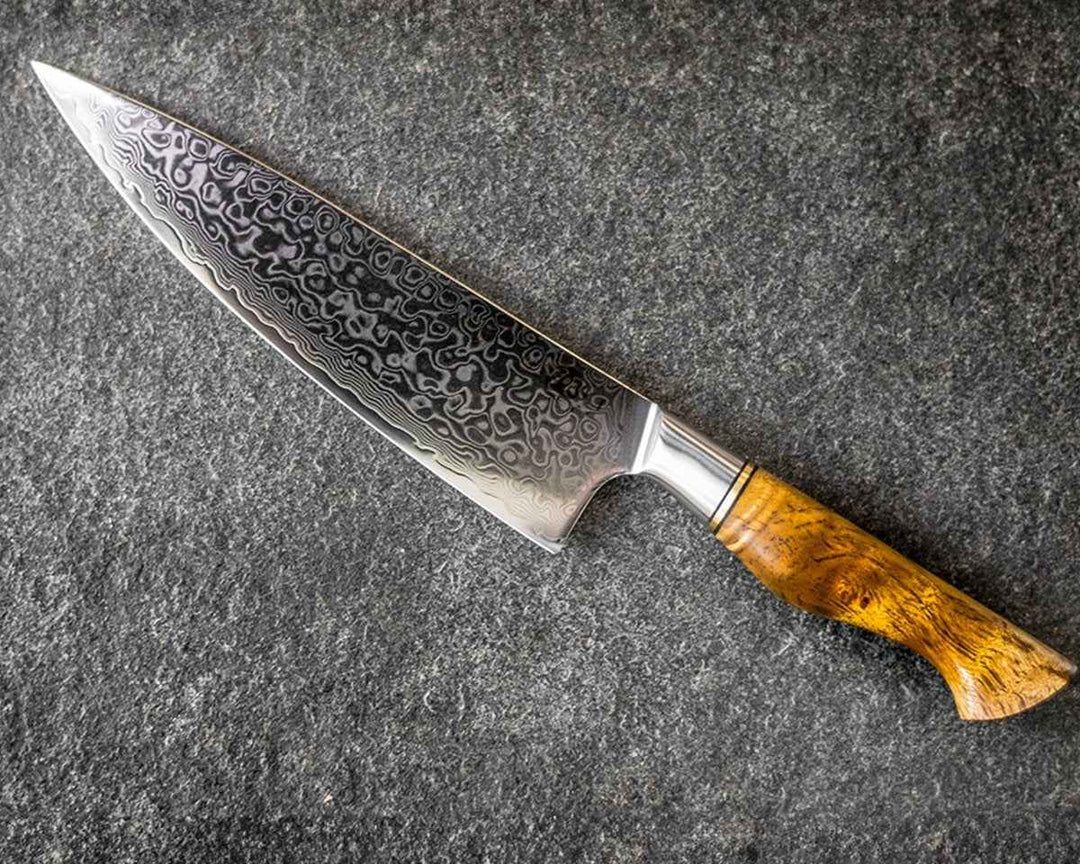
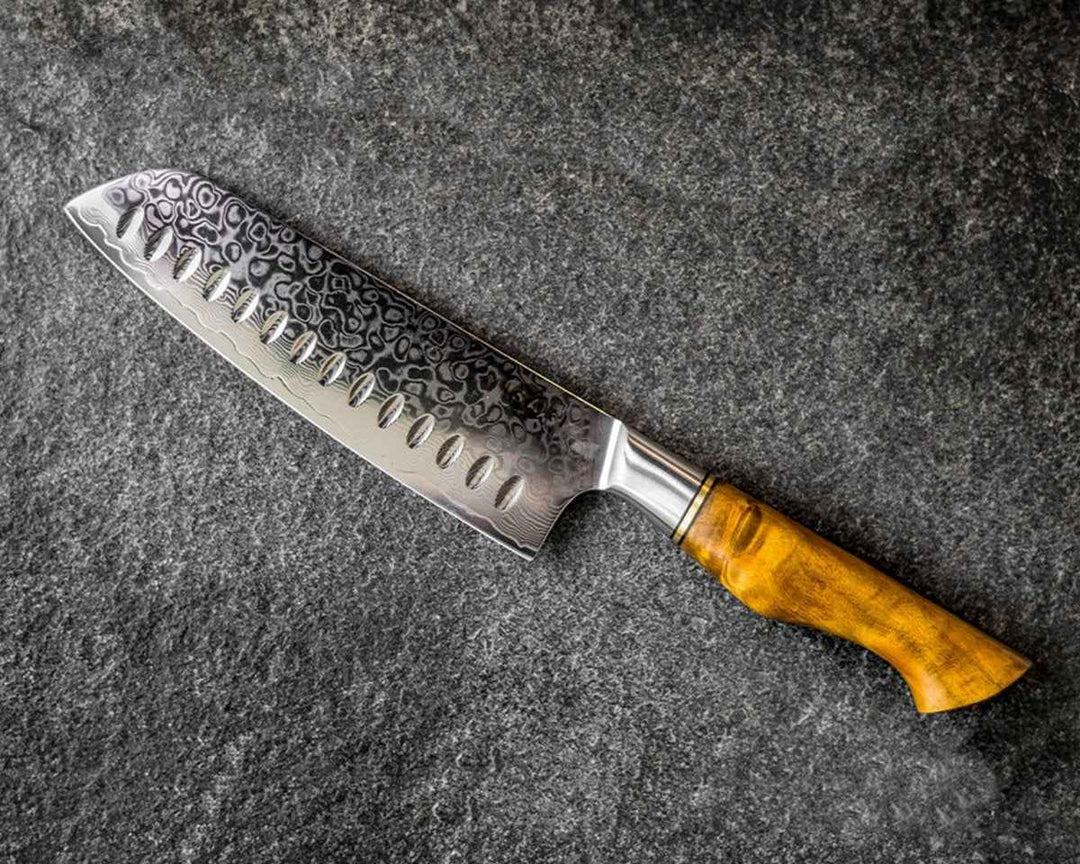
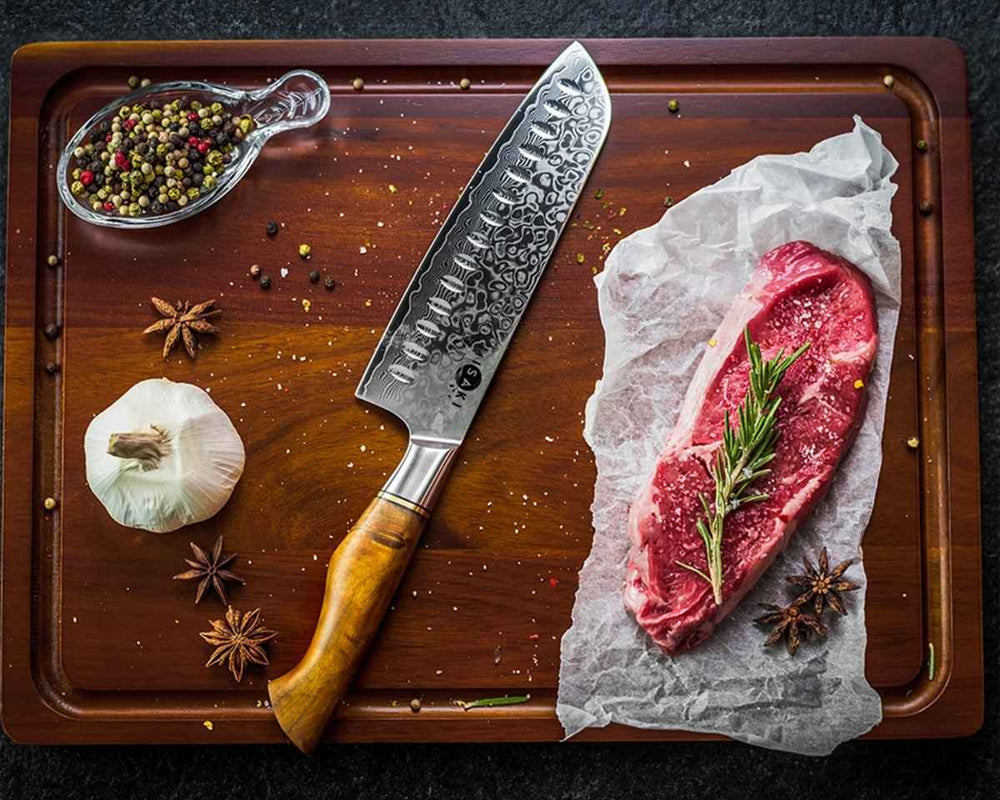
At MISAKI, meat knives mean a curated selection of knives that are particularly well suited to cutting meat. These are mainly chef knives and Santoku knives. Both knife shapes are versatile and, in addition to meat, are also suitable for fish, vegetables and herbs.
Whether you are portioning a piece of meat, slicing cooked meat or preparing ingredients for a dish: sharpness, control and a blade that moves calmly through the food are decisive.
Also suitable for fish
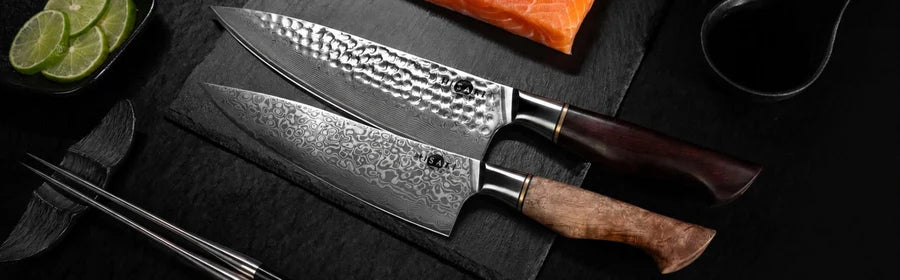
Thanks to their sharp blades, the selected chef knives and Santoku knives are also suitable for cleanly cutting and portioning boneless fish fillets. For precise filleting along the bones, however, a flexible filleting knife is better suited.
Which knives are suitable for cutting meat?
Knives for cutting meat should be sharp, stable and easy to control. The blade should glide cleanly through the meat without requiring much pressure. This helps preserve the structure of the meat.
For precise meat cuts, high sharpness, balanced weight and controlled blade guidance are especially important. Many high-quality kitchen knives meet these requirements and are very well suited to daily meat preparation.
At MISAKI, we particularly recommend selected chef knives and Santoku knives for this purpose. Both knife shapes enable clean cuts while offering the versatility valued in modern kitchens.

Damascus steel as a material with added value
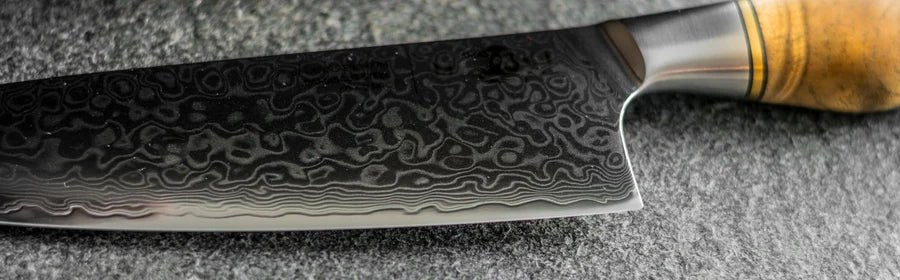
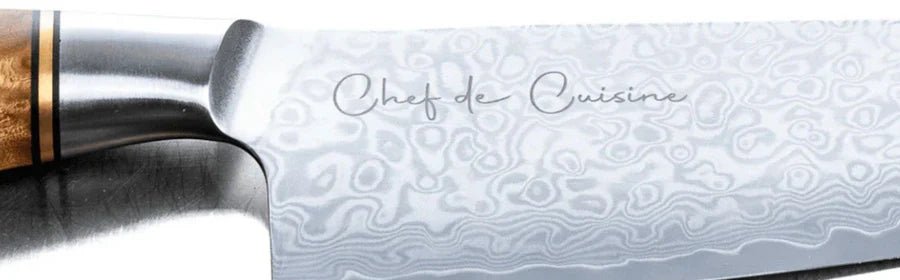
Damascus steel is especially valuable in a meat knife because it combines high sharpness, edge retention and stability. A sharp Damascus blade requires less pressure. This helps the meat keep its shape better during cutting and makes the cut surface look cleaner.
The MISAKI knives from the HIKARI line are made from 67 layers of Damascus steel. They are light, precise and pleasantly balanced. The AKANE line uses 73 layers of Damascus steel with a powder steel core. This creates a blade with particularly strong edge retention and powerful presence.
For daily work with meat, this means less effort, cleaner cuts and a knife that remains precise even after many uses.
Cutting correctly for optimal results
For clean meat cuts, the knife is not the only decisive factor. Technique also matters. Work with a sharp blade and let the knife glide through the meat in a controlled way. Avoid unnecessary pressure. A precise meat cut comes from sharpness and steady guidance, not force.
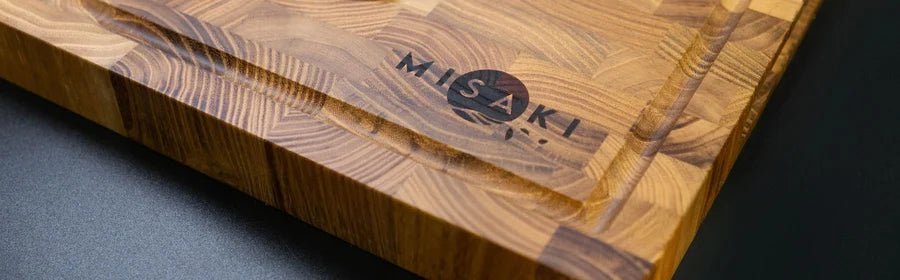
Always cut meat on a suitable surface, ideally on a high-quality wooden cutting board. Hard surfaces such as glass or stone can damage the edge. Bones, frozen food or very hard parts should not be cut with a chef knife or Santoku.
After cutting, the knife should be cleaned by hand and dried immediately. This protects the blade and preserves the natural beauty of the handle.
Meat knife or chef knife: when does specialization make sense?
A high-quality kitchen knife is one of the most versatile knives in the kitchen. It is suitable for meat, fish, vegetables and herbs. This also makes it a very good choice if you are looking for one knife for many tasks and regularly cut meat.
Chef knives and Santoku knives are especially popular for this. Both knife shapes offer high sharpness, good control and are very well suited to precise meat cuts as well as everyday preparation of other ingredients.
A dedicated meat knife category helps you choose suitable knives for this application. At MISAKI, this does not necessarily mean a separate specialist knife. Often, a high-quality chef knife or Santoku is the better solution because it cuts meat precisely while remaining versatile in everyday use.
FAQ about Meat knives
Which knife is best suited for cutting meat?
+
+
For cutting meat, a sharp, well-balanced knife with a stable blade is suitable. At MISAKI, depending on the application, we recommend a chef knife or a Santoku knife. A chef knife offers more length for larger pieces and roasts. A Santoku is compact and controlled to use and is particularly well suited to precise everyday cuts.
Is a chef knife or a Santoku better for meat?
+
+
That depends on the cutting task. A chef knife offers more length and is well suited to larger pieces of meat or roasts. A Santoku is more compact and can be guided with particular control. Both knife shapes can be used very well for cutting meat.
Why is Damascus steel advantageous when cutting meat?
+
+
A sharp Damascus blade requires less pressure when cutting meat. This creates cleaner cut surfaces and protects the meat structure. Damascus steel combines high sharpness, edge retention and stability, making it especially suitable for precise meat cuts.
How do you cut meat correctly with a sharp knife?
+
+
Meat should be cut with calm, controlled movements. Let the blade do the work and avoid strong pressure. Use a suitable cutting surface and do not cut through bones or frozen food.
Are meat knives also suitable for fish?
+
+
Yes. MISAKI chef knives and Santoku knives are well suited to cleanly cutting and portioning boneless fish fillets. For precise filleting along the bones, however, a flexible filleting knife is better suited.
How do you care for a knife that is often used for meat?
+
+
After cutting meat, always clean the knife by hand with warm water and, if necessary, mild detergent. It should then be dried carefully immediately. Avoid the dishwasher, hard cutting surfaces and prolonged contact with moisture. This keeps the blade protected and preserves sharpness for longer.


